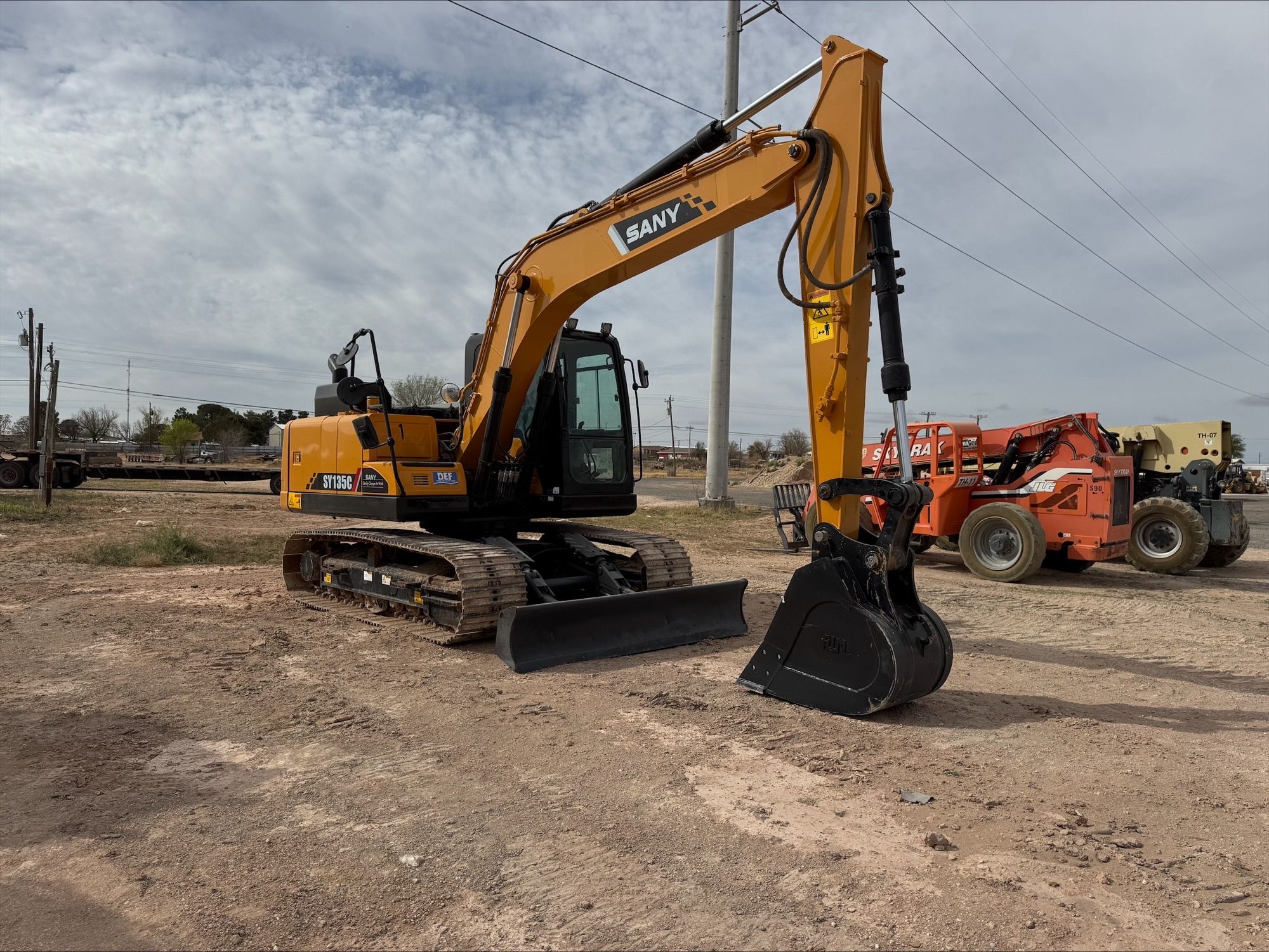
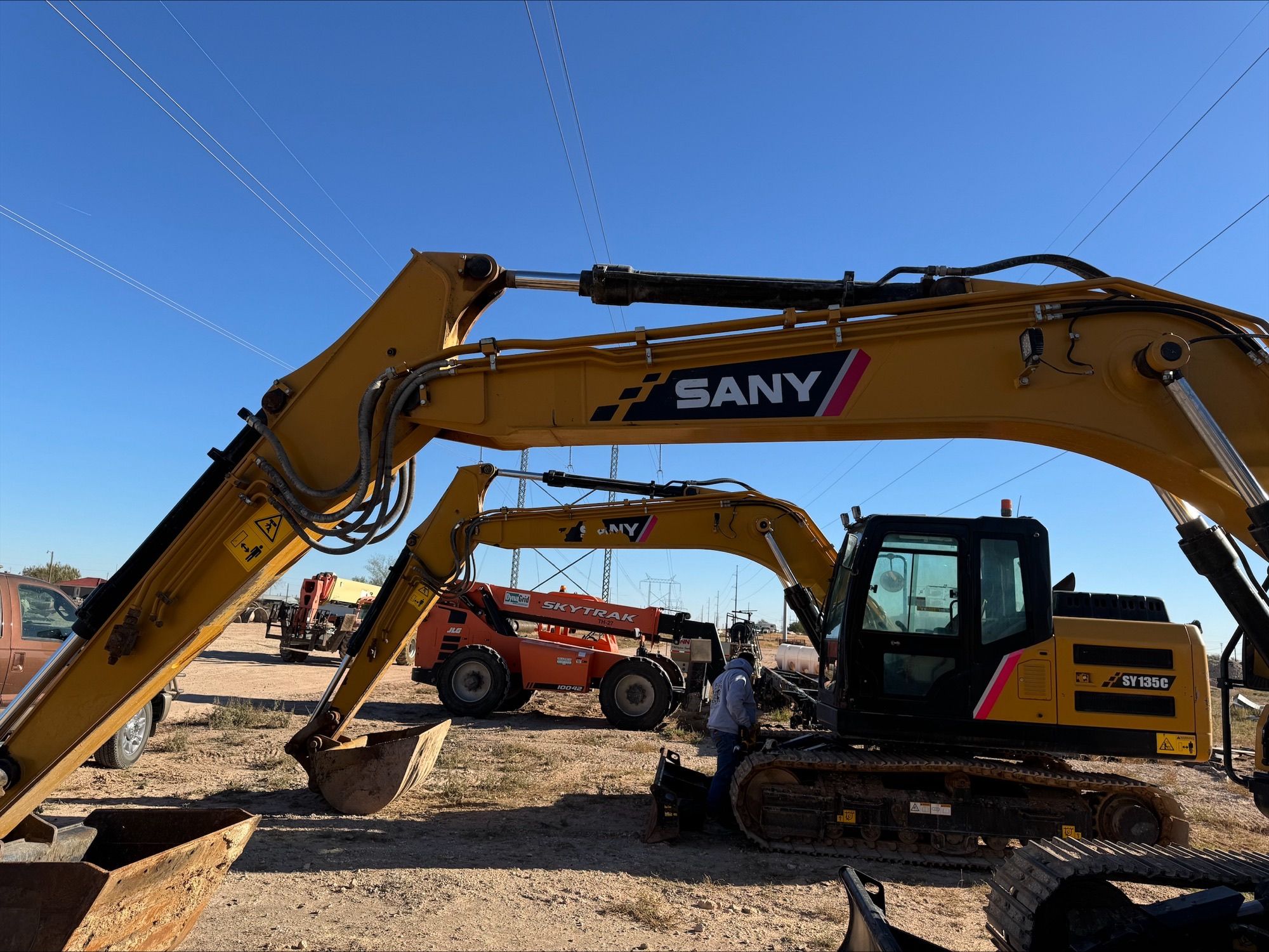
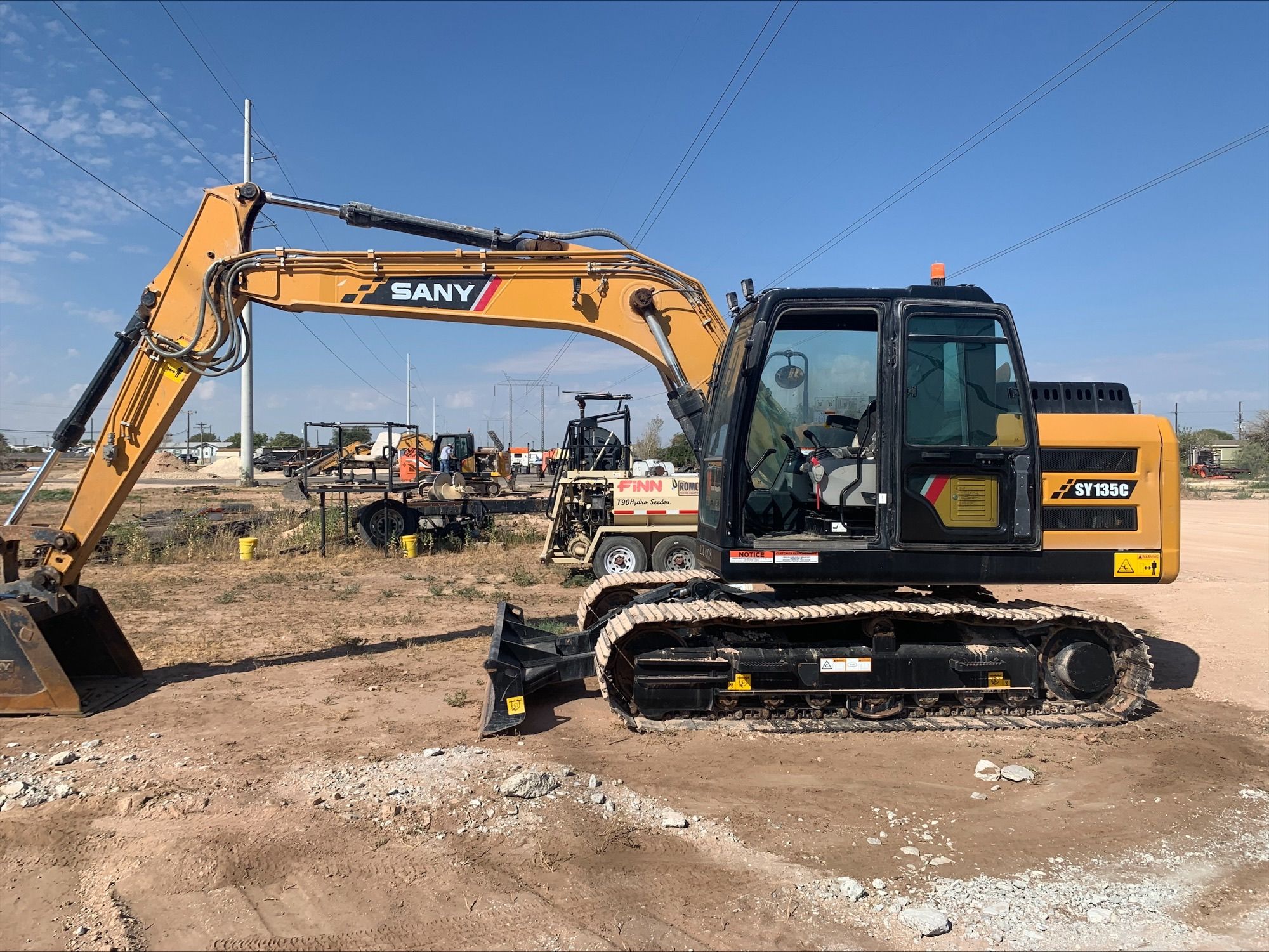
Operators often spend considerable time researching which excavator or wheel loader to rent for a project, then treat the bucket as an afterthought, taking whatever ships with the machine rather than matching bucket type and size to the actual material and task at hand. This is a mistake with real productivity consequences. The right bucket can meaningfully increase cycle efficiency, reduce wear on the machine, and improve material handling accuracy, while the wrong bucket forces operators to compensate through slower, less efficient technique regardless of how capable the base machine itself is.
Understanding Bucket Types Before Comparing Sizes
Before sizing a bucket, operators need to understand which bucket type actually fits the job. General purpose buckets handle a wide range of digging and loading tasks and represent the default choice for mixed-use applications where no single specialized function dominates the work. Trenching buckets, narrower and often deeper than general purpose designs, are built specifically for utility trenching and other applications where digging width needs to match a defined trench specification precisely.
Rock buckets, built with reinforced construction and often heavier-duty tooth systems, handle rocky and abrasive material that would accelerate wear on a standard general purpose bucket. Grading or ditching buckets, wider and shallower with a smooth cutting edge rather than teeth, are built for finish grading and slope work rather than aggressive digging. Choosing the correct bucket category before even considering size is the foundation of getting real value from bucket selection, since the wrong bucket type sized perfectly for the job still performs poorly compared to the right type sized adequately.
Sizing a Bucket to Machine Hydraulic Capacity
Bucket capacity has to match the hydraulic power and breakout force the machine can actually deliver, not simply the largest bucket that will physically fit on the machine's coupler. An oversized bucket forces the machine to work at reduced fill efficiency because it cannot generate enough breakout force to fully load the bucket in typical material, while an undersized bucket wastes the machine's available power and increases the number of cycles needed to move a given volume of material, both of which reduce overall productivity relative to what the machine is actually capable of delivering.
This sizing relationship connects directly to the broader equipment selection framework covered in our guide on choosing the right excavator for your construction project in West Texas, where matching machine capability to project demands extends naturally into matching bucket capacity to that same machine's actual hydraulic output. Manufacturer specifications typically provide a recommended bucket capacity range for each machine model, and operators should treat that range as a starting point rather than assuming any bucket that physically attaches is appropriately sized.
Material Type and Its Effect on Bucket Choice
The specific material being moved has a significant effect on which bucket configuration performs best. Loose, easily flowing material like sand or loose topsoil generally works well with a standard general purpose bucket profile, while sticky, cohesive materials like wet clay benefit from a bucket design that sheds material more effectively, since clay's tendency to stick to bucket surfaces can significantly slow cycle times with a poorly matched bucket profile.
Rocky or abrasive soil common across much of the Permian Basin region places additional demands on bucket construction that general purpose designs are not built to withstand over extended use. Our article on why SANY excavators are built for the Permian Basin touches on the demanding ground conditions common to this region, and bucket selection should reflect that same regional reality, with reinforced, abrasion-resistant bucket construction often justified for operators regularly working the rockier ground conditions found across West Texas jobsites.
Tooth Configuration and Cutting Edge Options
Beyond overall bucket type and size, tooth configuration and cutting edge design represent a further layer of customization that affects performance for specific material and task combinations. Toothed buckets provide better penetration into hard or compacted material, while smooth cutting edges perform better for finish grading work where a clean, even surface matters more than aggressive digging penetration. Some buckets offer replaceable tooth systems that allow operators to adjust tooth configuration based on changing material conditions across different phases of a project without needing an entirely different bucket.
This flexibility matters particularly for operators working multiple task types across a single project, moving from initial rough excavation through to finish grading, where a single bucket with adjustable or replaceable tooth configuration can cover a broader range of tasks than a fixed-configuration bucket limited to one specific application.
Wheel Loader Bucket Considerations Beyond Excavator Selection
While excavator bucket selection centers heavily on digging and trenching applications, wheel loader bucket selection involves a somewhat different set of priorities centered on material loading, carrying, and stockpile management. Wheel loader buckets need to balance capacity against visibility and stability during transport, since an oversized bucket that obstructs operator sightlines or compromises machine stability while carrying a loaded bucket creates safety concerns beyond simple productivity considerations.
The broader efficiency gains available through properly matched attachments, bucket selection included, connect to the productivity principles covered in our article on excavator attachments and jobsite efficiency in West Texas, where the right attachment choice for a given task consistently produces measurable time and cost savings across a project's duration compared to defaulting to whatever attachment happens to already be mounted on a rented machine.
Rental Considerations for Bucket Selection
Operators renting excavators or wheel loaders should discuss bucket options directly with their rental provider rather than assuming the machine's standard bucket configuration fits their specific project needs. The considerations that go into evaluating rental equipment more broadly, covered in our article on five benefits of renting excavators versus buying heavy equipment, extend naturally to bucket selection, since rental access often provides more practical flexibility to match bucket type precisely to a specific project's material and task requirements than equipment ownership does, where a single owned bucket has to serve across a broader range of project types over time.
Rental providers with a strong local inventory should be able to offer multiple bucket configurations for a given machine model, and operators evaluating a rental should ask specifically about available bucket options for their intended application rather than accepting the default configuration without confirming it fits the actual job.
Maintenance and Wear Considerations Across Bucket Types
Different bucket types and configurations wear at different rates depending on material exposure, and understanding this helps operators anticipate maintenance needs rather than being surprised by unexpected wear-related downtime mid-project. Reinforced rock buckets built for abrasive material naturally hold up better under sustained rocky ground conditions than a general purpose bucket pressed into the same service, and operators consistently working in West Texas's more abrasive soil and rock conditions should factor bucket durability into their selection alongside raw productivity considerations.
Regular inspection of cutting edges, teeth, and bucket structure for wear helps catch developing problems before they affect digging or loading performance, and this inspection routine fits naturally alongside the broader equipment inspection practices covered in our article on excavator operator safety and daily inspection in West Texas, where daily inspection habits protect both operator safety and equipment performance across a project's full duration.
Quick-Coupler Systems and Switching Between Buckets
Many modern excavators and wheel loaders use quick-coupler systems that allow operators to switch between different buckets and attachments without leaving the cab or requiring extensive manual pin work. This capability changes the calculus around bucket selection considerably, since a project team with quick-coupler access can realistically switch between a trenching bucket for utility work and a general purpose bucket for backfill within the same day, rather than being locked into a single bucket configuration for the full project duration.
Operators evaluating rental equipment should ask specifically whether the machine comes equipped with a quick-coupler system and whether the rental provider stocks multiple compatible bucket options for that coupler configuration. This combination gives project teams meaningfully more flexibility to match bucket selection to each specific task phase, rather than compromising on a single bucket choice that has to perform adequately across an entire project's varied task requirements.
Cost Considerations in Bucket Selection
Bucket rental or purchase cost varies by type, size, and construction quality, and operators sometimes default to the least expensive available option without weighing that choice against the productivity cost of a poorly matched bucket. A heavier-duty, better-matched bucket that costs modestly more to rent often pays for itself through faster cycle times and reduced wear-related downtime, particularly on projects involving the more abrasive ground conditions common across the region.
Evaluating bucket cost as part of the total project economics, rather than in isolation from the productivity impact of bucket choice, gives project managers a more accurate picture of true equipment cost. A bucket that saves even a few minutes per cycle across hundreds of cycles on a larger excavation project represents meaningful time and labor savings that easily outweigh a modest difference in daily bucket rental rate between options.
Matching Bucket Selection to Project Reality
The right bucket choice ultimately depends on an honest assessment of the specific material, task, and machine involved in a given project, rather than a default assumption that any bucket attached to a rented machine will perform adequately. Operators who take the time to match bucket type, size, and configuration to their actual job conditions consistently see measurable gains in cycle efficiency and reduced equipment wear, translating directly into faster project completion and lower overall equipment cost across the life of a West Texas construction or utility project.