West Texas is not a forgiving environment for heavy equipment or the people who operate it. Extreme heat, dusty caliche soil, remote job site locations, and the constant pressure of tight oilfield schedules create conditions where a skipped inspection or an ignored safety step can escalate quickly into a serious incident. Excavator operators working in Midland, Odessa, and across the Permian and Delaware Basins deal with these realities every single day.
Equipment safety and daily inspection are not bureaucratic checkboxes. They are the difference between a productive shift and a breakdown in the field, between a near miss and a recordable incident, between meeting the project deadline and explaining why the excavator is sitting idle waiting for a repair. Understanding what to look for before the machine ever moves and how to operate it safely once it does is core knowledge for every operator working in this region.
This guide covers the daily inspection habits and on-site safety practices that matter most for excavator operators in West Texas, along with the specific conditions that make this region different from anywhere else.
Why West Texas Conditions Demand a Higher Standard of Inspection
Operators who have run equipment in other parts of the country sometimes underestimate what the Permian Basin throws at a machine. Summer temperatures regularly exceed 105°F on the job site, and heat-soaked ground adds radiant load on top of ambient temperature. Dust and fine caliche particles infiltrate air filters, hydraulic connections, and cab seals faster than in most other climates. Wind carries sand that accelerates wear on exposed components. And job sites are frequently spread across remote stretches of desert where a mechanical failure means a long wait for support.
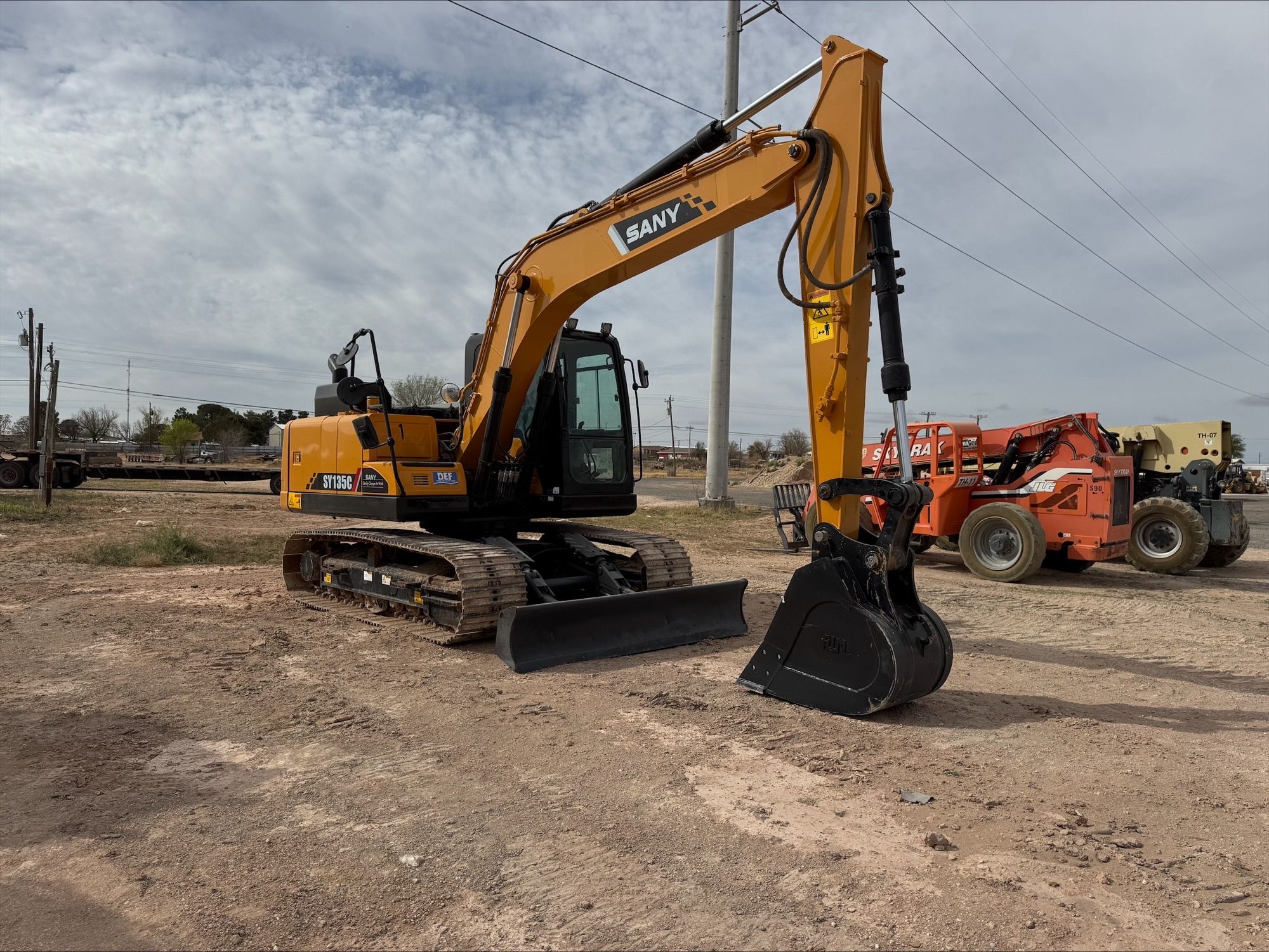
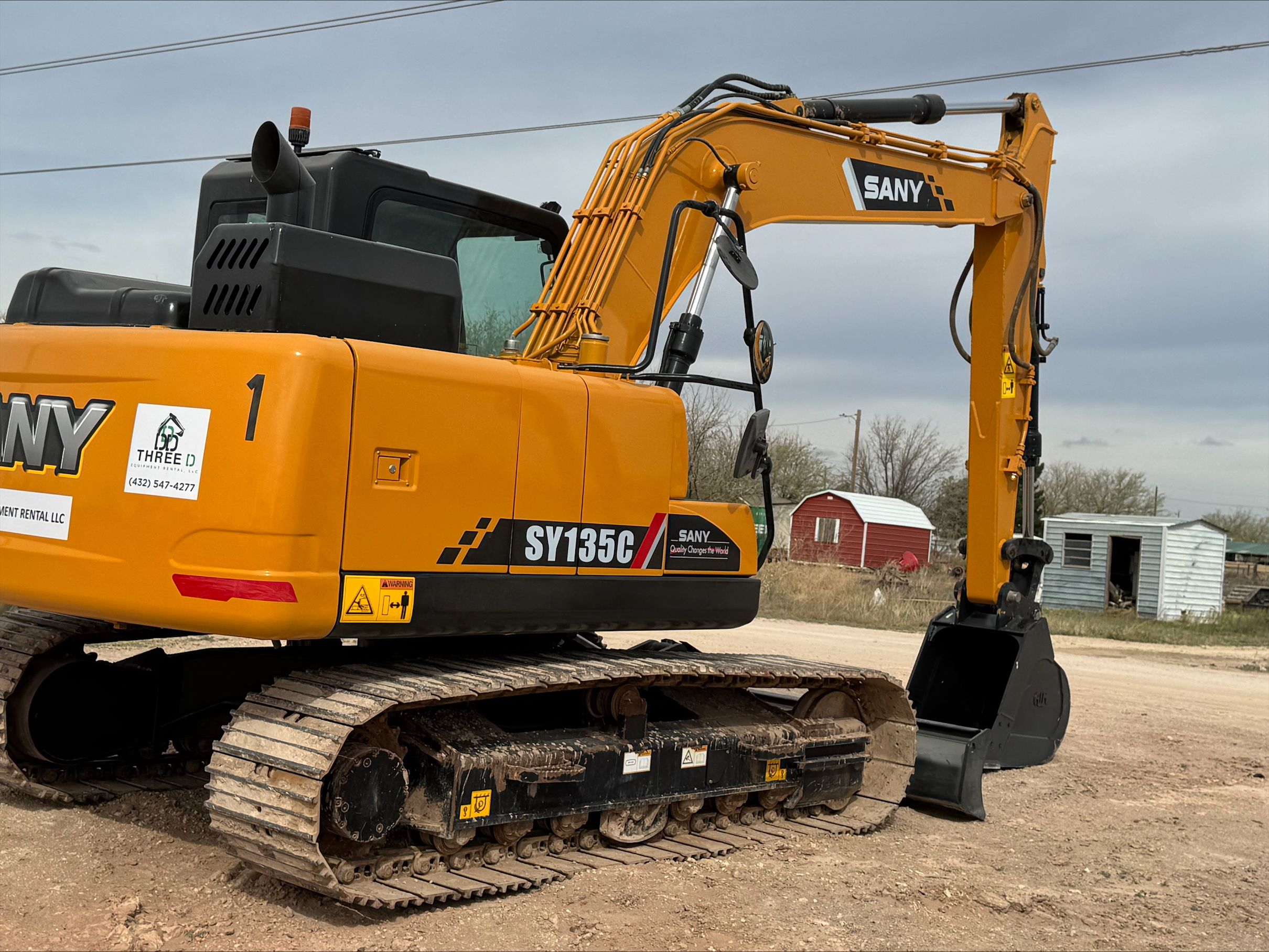
These factors make pre-shift inspection not just a best practice, but a survival strategy for your equipment. A rented SANY excavator that arrives in good condition can degrade quickly if daily inspection habits are inconsistent. Building a thorough, systematic walk-around into the start of every shift protects the machine, keeps the project on schedule, and protects the operators themselves.
When selecting the right machine for the conditions, understanding the capabilities of your equipment from the start is critical, something covered in detail in the guide on choosing the right excavator for your construction project in West Texas.
The Pre-Shift Walk-Around: What to Check Every Morning
A proper pre-shift inspection takes between 15 and 20 minutes when done correctly. Rushing through it defeats the purpose. The goal is to identify any condition that could compromise safety, performance, or machine reliability before the first bucket of dirt moves.
Fluid Levels
Start with fluids. Check engine oil, hydraulic fluid, coolant, and fuel. In hot West Texas conditions, low coolant or marginal hydraulic fluid levels become critical far faster than in moderate climates. Hydraulic systems under heat stress and low fluid are prone to component failure that can sideline a machine for days. Check for leaks at hoses, fittings, and the bottom of the machine as part of this step a small leak visible on the ground before startup tells you something you need to know before the machine gets hot.
Air Filter Condition
This is one of the most important daily checks in dusty West Texas environments. Clogged air filters restrict airflow to the engine, drive up operating temperatures, and reduce power. Most modern SANY excavators have air filter restriction indicators on the dash, but a visual inspection of the pre-cleaner and outer element takes only a moment and can catch contamination that the indicator hasn't yet flagged. On particularly dusty days which is most days in the Permian Basin during dry months checking the air filter mid-shift may also be warranted.
Undercarriage and Track Components
The undercarriage takes tremendous punishment on hard, rocky caliche ground. Walk the full perimeter of the machine and inspect tracks for proper tension, missing or damaged track pads, and worn sprocket teeth. Check the rollers, idlers, and track frame for cracks, bent components, or excessive mud and debris packing. Caliche can compact hard inside the undercarriage and create pressure that accelerates wear or causes track derailment. This is especially worth monitoring on machines that have been working on uneven oilfield terrain.
Bucket, Teeth, and Attachment Points
Inspect the bucket for cracks, especially at the heel and side cutters. Check bucket teeth for wear and ensure they are properly retained a loose or missing tooth can become a projectile or leave fragments in a trench that create problems for pipeline or utility work. Inspect the quick coupler or pin retention system if the machine is running with an alternate attachment. Verify that pins are in place and properly secured before the shift begins.
Swing Bearing and Boom Components
Look for any visible cracks or deformation on the boom, arm, and bucket linkage. Check the swing bearing area for unusual grease purging patterns or metal contamination in the grease, which can indicate accelerated wear. Inspect all grease points and verify they have been serviced on schedule this is especially important in extreme-temperature environments where lubrication degrades faster.
Cab and Controls
Enter the cab and verify that all controls move freely, return to neutral properly, and feel responsive. Check that the seat belt is functional and properly latched. Verify that the horn works. In West Texas summer conditions, confirm the air conditioning is functioning heat stroke risk for operators in a non-functioning cab is a serious safety concern, not a comfort issue. Check that all mirrors and cameras (if equipped) are clean and properly positioned before moving the machine.
Safe Operating Practices on West Texas Job Sites
A complete pre-shift inspection sets the foundation, but safe operation throughout the shift is what prevents most incidents. The unique characteristics of West Texas job sites create several specific hazards that operators need to address.
Underground Utility Awareness
Oilfield job sites in the Permian Basin contain a high density of buried pipelines, electrical conduits, and communication lines. Before any excavation begins, verify that the site has been properly marked and that you have a current understanding of where underground utilities are located. Call 811 requirements apply even on active oilfield leases. Never assume that a previously dug area is clear utility routes can cross a site in unexpected patterns, and pipeline depths can vary significantly based on installation age and surface grade changes.
Slope and Stability Hazards
Desert terrain in West Texas is often deceptive. Ground that appears stable can be undermined by erosion channels, old excavations, or loose fill from previous operations. Before working near any slope or elevated cut, probe the area and verify that the ground can support the machine's weight without shifting. Position the machine with the undercarriage perpendicular to the slope whenever possible to reduce the risk of tipping. Be especially cautious near berms, old pits, and any areas where ground water may have caused subsidence.
Heat and Fatigue Management
Operating a large machine in extreme heat is physically taxing even inside an air-conditioned cab. Core body temperature rises, concentration degrades, and reaction time slows. Operators should maintain consistent hydration, take shade breaks during extended shifts, and communicate with supervisors or fellow crew members when fatigue becomes a factor. Fatigue-related incidents with excavators often involve slow machine movements near personnel, improper placement of the swing arc, or failure to notice changing ground conditions.
Swing Zone and Personnel Safety
The swing arc of an excavator is one of the most dangerous zones on any job site. Everyone working near an operating excavator must stay outside the maximum swing radius unless the operator has acknowledged their presence and the machine is stopped. Operators should use the horn to signal before beginning any swing, especially when vision around the machine is limited by equipment, spoil piles, or berms. Never assume pedestrians or other equipment operators know where you are going to swing.
On active oilfield sites where multiple crews and contractors are working simultaneously, establishing clear communication protocols with the ground crew before starting any excavation is essential. For more on how support and coordination work in active project environments, the article on reliable equipment support that keeps West Texas projects on schedule addresses how having dependable service backup changes the risk profile of remote operations.
Working Around Existing Infrastructure
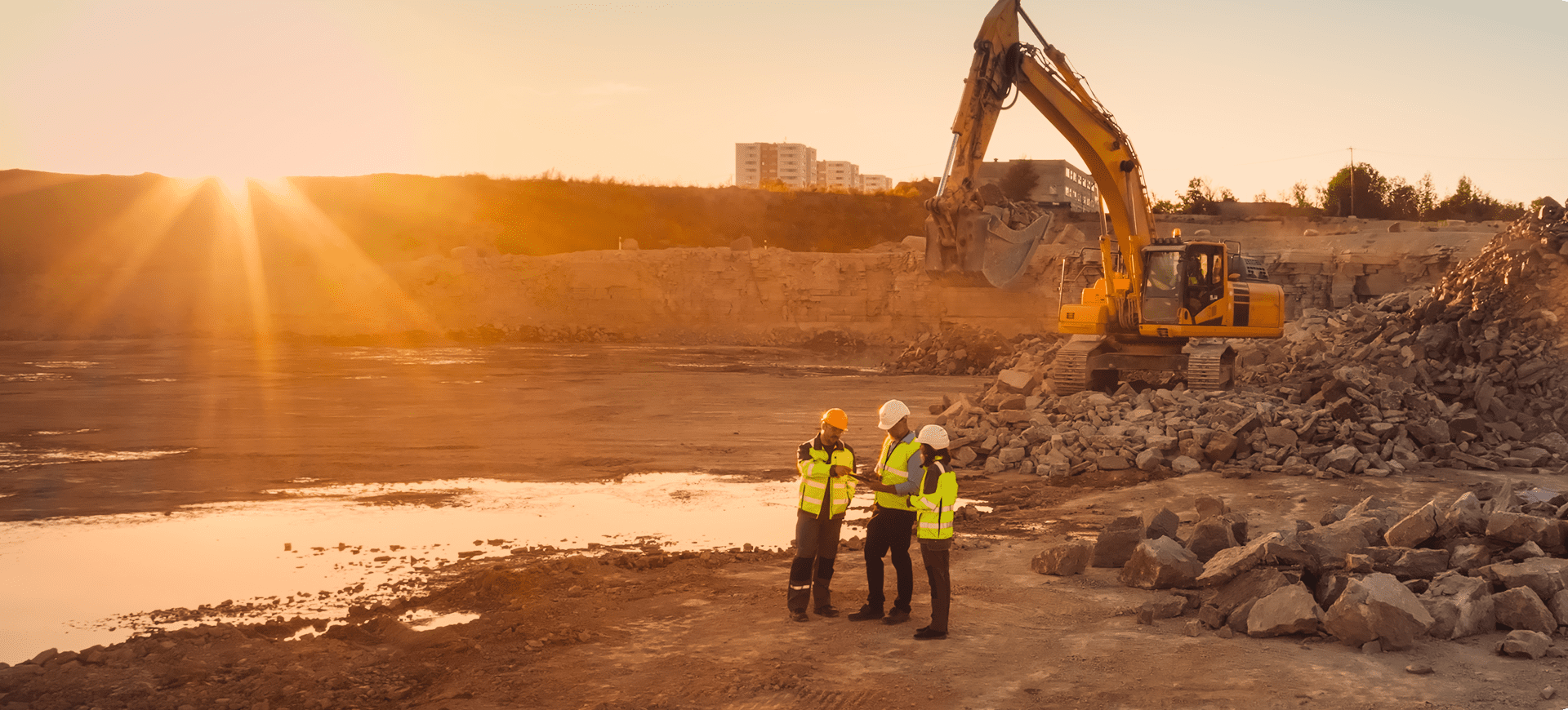
Many oilfield excavation jobs require working immediately adjacent to existing tanks, separator vessels, production lines, and facility structures. This requires heightened boom control precision, slower cycle times, and constant awareness of overhead clearances. In these environments, spotters add a critical layer of protection. Operators should maintain communication with spotters through agreed signals and never continue a lift or swing when a spotter is not in a confirmed safe position.
Matching Machine Size to the Safety Demands of the Job
Operating an oversized excavator in a confined space is itself a safety hazard. Swing clearances are tighter, bucket control precision demands increase, and the consequences of a contact incident are greater. Operators need to communicate when a job site's layout is poorly matched to the machine they are running.
Similarly, running an undersized machine on a job that requires heavier capacity pushes operators to work the equipment beyond its efficient range, taking larger bites, pulling harder on the bucket, and cycling faster to compensate for lower productivity. This approach accelerates component wear and increases the chance of a mechanical event during operation.
Understanding which machine class is right for each phase of a project is a key part of responsible equipment management. The breakdown of compact, mid-sized, and heavy-duty options and when to use each is covered in reliable excavator rentals and services in the Permian Basin.
End-of-Shift Inspection and Reporting
Safety and maintenance responsibility does not end when the operator shuts the machine down. A proper end-of-shift routine adds perhaps ten minutes and significantly reduces the risk of arriving at the next morning's inspection with a surprise.
After shutdown, walk the machine again. Look for new leaks, check that no hydraulic hoses appear stressed or chafed from the day's work, and verify that the bucket is lowered to the ground and controls are in neutral. Log any concerns unusual noises during operation, a control that felt different, a warning light that appeared and cleared — so they can be communicated to the equipment provider. With a rented machine, this kind of communication with the rental provider is important. It protects your crew from inheriting a developing problem, and it allows the rental company to address issues before they become failures in the field.
This is part of what separates a quality rental relationship from simply dropping off a machine. Understanding the full-service support side of renting versus ownership is explored in 5 benefits of renting excavators vs. buying heavy equipment one of the underappreciated benefits is that a rental provider carries the maintenance burden when operators communicate issues promptly.
Safety Documentation and Compliance on Active Sites
Most commercial and oilfield job sites in West Texas now require documented daily equipment inspections. Pre-shift inspection forms, operator certifications, and machine service records may be required by the site operator, the general contractor, or both. Operators should be prepared to complete and retain inspection documentation and to present machine records on request.
SANY excavators used by Midland Excavators are maintained on regular service schedules between rental cycles, giving operators access to current maintenance records that satisfy most compliance requirements. Understanding what documentation comes with a rental machine and what operators are expected to generate during the rental period avoids surprises during site compliance reviews.
For operators new to the Permian Basin or moving to this region from other markets, a broader understanding of how equipment is deployed and supported across the area is a useful context. The guide on excavator rentals in Midland, Odessa, and the Permian Basin covers the regional landscape, service expectations, and what a productive rental experience looks like in this market.
Final Thoughts
Operator safety and daily inspection discipline are what allow excavators to perform consistently in one of the most demanding operating environments in the country. West Texas does not offer easy conditions but it does reward operators and companies that take preparation seriously. A 20-minute walk-around at the start of every shift, a strong awareness of site-specific hazards, and consistent communication with your equipment rental provider are habits that protect people, protect machines, and protect project timelines.Midland Excavators provides well-maintained SANY excavators backed by local service and support across Midland, Odessa, and the broader Permian and Delaware Basin regions. If you want to discuss the right machine for your next project or have questions about renting with confidence, reach out to the team directly.