When choosing an excavator, most people start with size, digging depth and bucket capacity. But one of the most important decisions sits underneath the machine: should it run on tracks or wheels?
The undercarriage determines how an excavator moves, how stable it is while digging, what surfaces it can work on, how quickly it can travel between tasks and how much it costs to maintain. In West Texas, where jobsites range from loose sand and hard caliche to paved city streets and remote oilfield lease roads, the right choice can make a major difference in productivity and operating costs.
This guide compares tracked and wheeled excavators, explains how each performs in Permian Basin conditions, and helps you decide which undercarriage fits your project.
Understanding the Two Options
Tracked (Crawler) Excavators
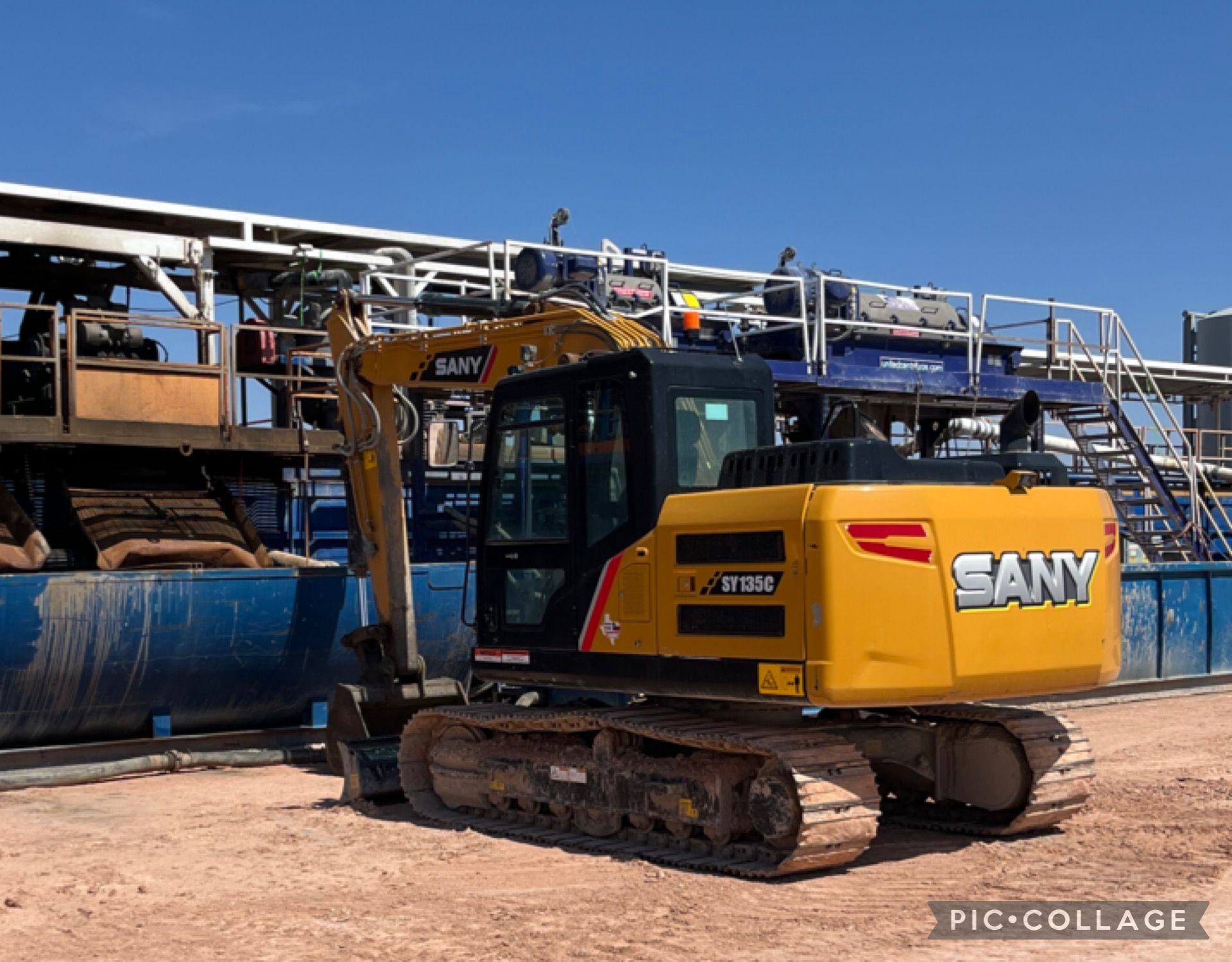
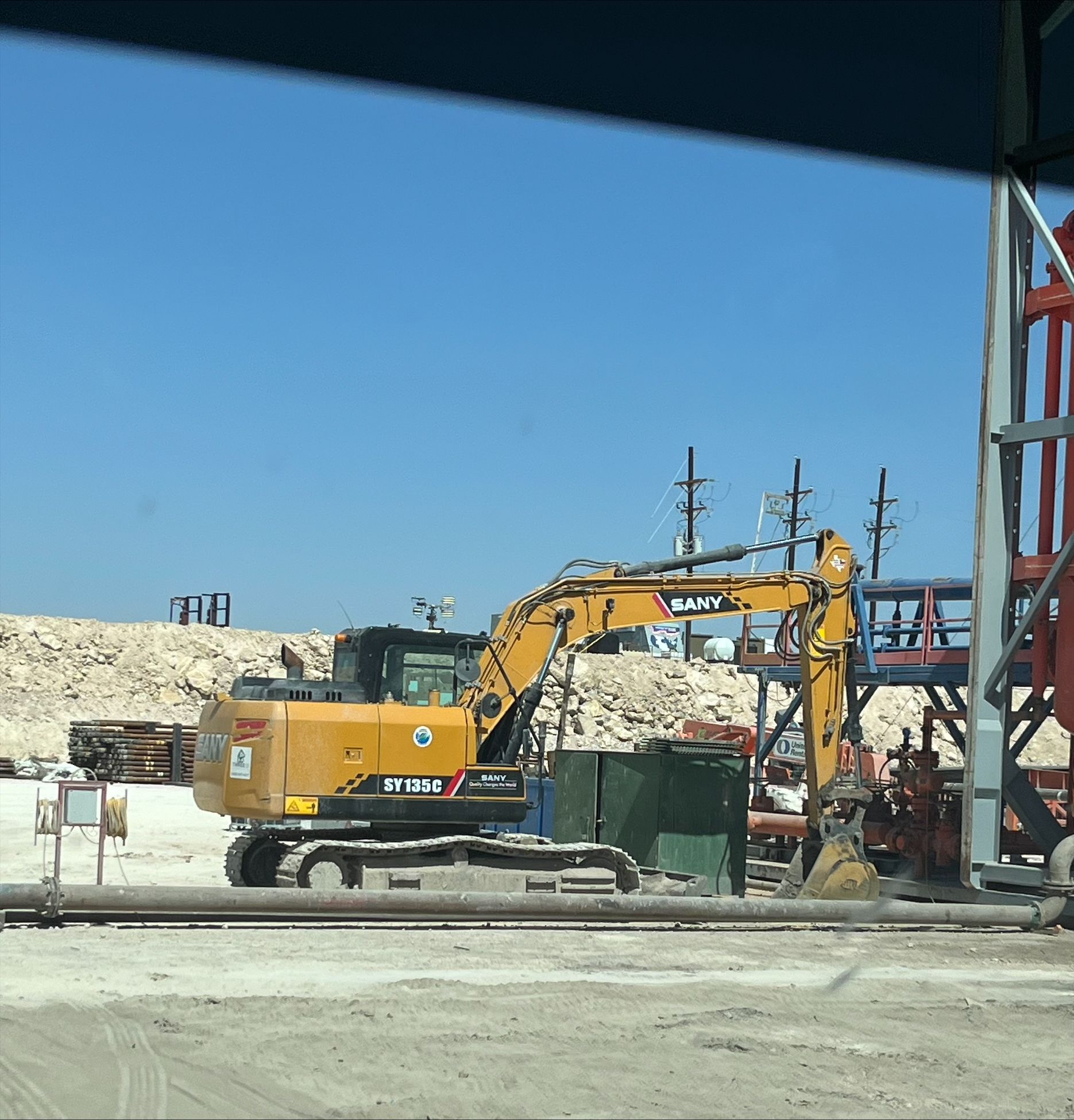
Tracked excavators, often called crawler excavators, move on continuous tracks wrapped around sprockets, idlers and rollers. They are by far the most common type of excavator on construction and oilfield jobsites across West Texas.
Tracks spread the machine’s weight over a large contact area, giving the excavator excellent stability and traction. This makes crawlers well suited to heavy digging, rough terrain and uneven ground.
Wheeled Excavators
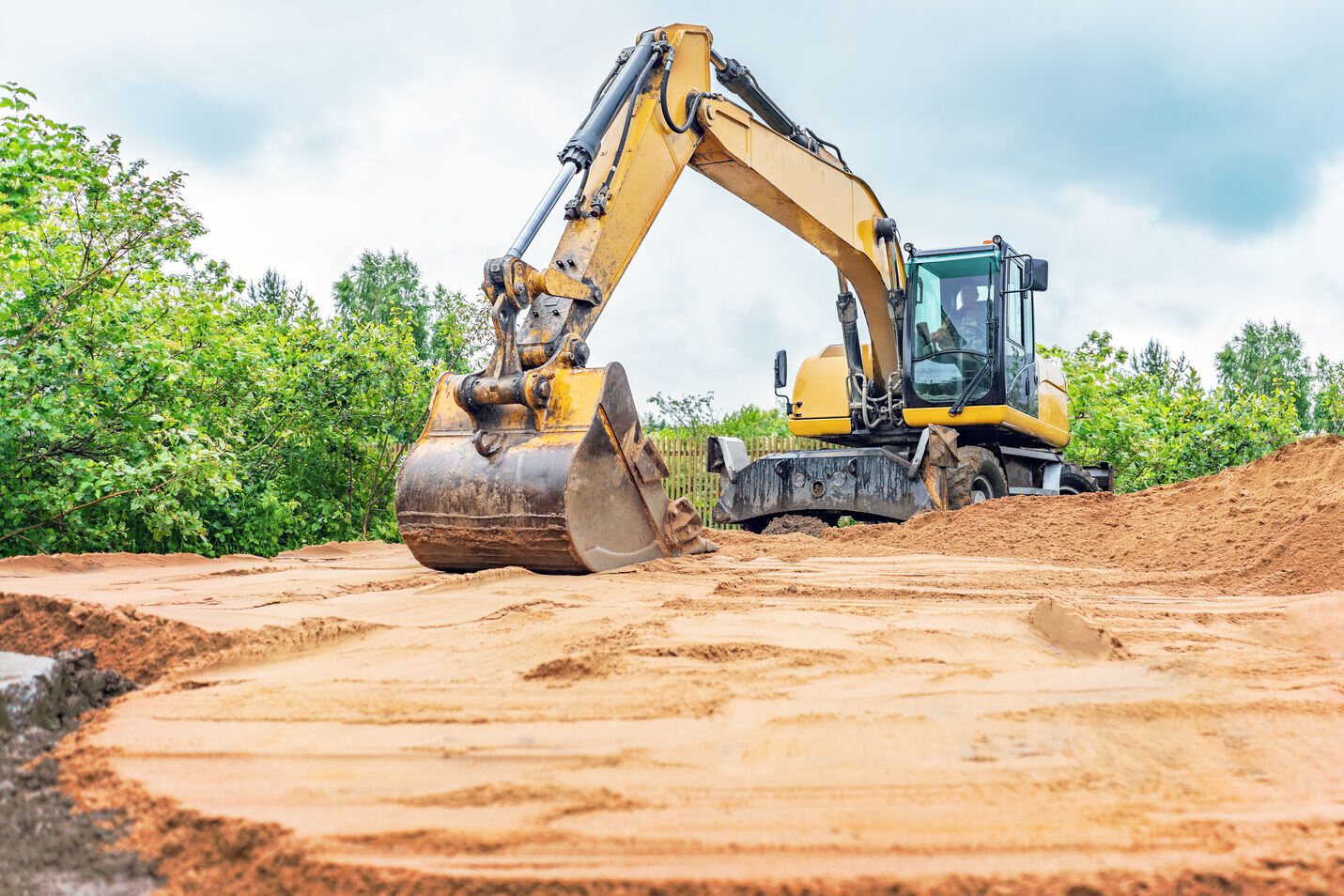
Wheeled excavators sit on rubber tires, similar to a truck or loader. Many models include stabilizers (outriggers) and a dozer blade that can be lowered to steady the machine while digging.
Wheeled excavators are designed for mobility. They can travel faster than crawlers and, depending on configuration and local regulations, may be able to move short distances on public roads. They are especially popular for urban utility work, road maintenance and jobs that require frequent repositioning on paved surfaces.
West Texas Terrain: What Makes It Unique
Before comparing performance, it helps to understand the conditions excavators face in Midland, Odessa and throughout the Permian Basin.
Caliche and hard ground. Much of the region has a layer of caliche, a hard, cemented soil that can be difficult to break. Digging through it requires strong breakout force and a stable machine.
Loose sand and blow sand. Sandy areas can reduce traction and cause machines to sink or spin, especially on lease sites and undeveloped land.
Abrasive dust and grit. Fine dust and sand get into moving parts and accelerate wear on undercarriage components.
Mesquite, rocks and debris. Thorny brush, rocks, scrap metal and oilfield debris can damage tires and cause punctures.
Paved urban areas. In Midland and Odessa, crews often work on streets, parking lots and developed sites where protecting pavement matters.
Long distances. Oilfield and rural projects may be spread across large areas, making mobility and transport an important cost factor.
Each of these conditions favors one undercarriage over the other, which is why there’s no single right answer for every job.
Advantages of Tracked Excavators
Superior Stability
Tracks provide a wide, low footprint that keeps the machine stable while digging, lifting and swinging heavy loads. This is especially important when working on slopes, uneven ground or near trench edges.
Better Traction in Rough Conditions
Crawlers can work through loose sand, soft soil, rocky ground and uneven terrain where wheeled machines may struggle. On undeveloped land and oilfield sites, this traction keeps work moving.
Lower Ground Pressure
Because weight is distributed across the tracks, crawler excavators exert less pressure per square foot than many wheeled machines. That helps prevent sinking in sandy or soft areas.
Strong Digging Performance
Stability allows crawlers to apply full digging force, which is valuable when breaking through caliche or handling large volumes of material. For hard digging and heavy-duty earthmoving, tracks are usually the preferred choice.
Wide Range of Sizes
Crawler excavators are available from mini excavators to large production machines, so it’s easy to find the right size for nearly any project. Our guide on choosing the right excavator for your construction project in West Texas explains how to match machine size to the job.
Limitations of Tracked Excavators
Slower travel speed. Crawlers move slowly, which can waste time on large sites where the machine must travel frequently.
Transport requirements. Tracked excavators generally need a trailer to move between jobsites, adding hauling time and cost.
Surface damage. Steel tracks can damage asphalt, concrete and finished surfaces. Rubber tracks reduce this risk on smaller machines but wear faster in abrasive conditions.
Undercarriage wear. Tracks, rollers, idlers and sprockets wear over time, especially in sand and grit. Undercarriage repairs can account for a large share of a crawler’s maintenance costs.
Advantages of Wheeled Excavators
Speed and Mobility
Wheeled excavators travel much faster than crawlers, allowing crews to move quickly around large sites or between nearby work areas. For projects with many small tasks spread across a wide area, this can save significant time.
Less Surface Damage
Rubber tires are gentler on pavement, making wheeled excavators a strong choice for street repairs, utility work in developed areas and jobs where finished surfaces must be protected.
Reduced Transport Needs
Depending on the machine and local rules, some wheeled excavators can travel short distances without a trailer. This can reduce hauling costs and scheduling delays.
Versatility in Urban Work
Wheeled excavators are commonly used for utility trenching, curb and gutter work, drainage repairs, landscaping and material handling in towns and cities.
Limitations of Wheeled Excavators
Less stability. Even with outriggers and blades, wheeled excavators are typically less stable than crawlers, particularly on uneven ground.
Reduced performance in sand and soft ground. Tires can sink or lose traction in loose sand, mud or soft soil, limiting where the machine can work.
Tire damage risk. Mesquite thorns, sharp rocks, metal debris and oilfield scrap can puncture or cut tires, leading to downtime and repair costs.
Setup time. Deploying outriggers and blades before digging adds steps each time the machine is repositioned.
Limited availability. Wheeled excavators are less common than crawlers in many rental fleets, so availability may be limited depending on the size and model needed.
Steel Tracks vs. Rubber Tracks
If you choose a tracked excavator, you’ll also need to consider track type.
Steel tracks are durable and handle rocky, abrasive and rough conditions well. They’re the standard for mid-size and large excavators working in oilfield, pipeline and heavy construction environments. Different shoe designs, such as single, double or triple grouser shoes, affect traction and ground disturbance. Wider pads lower ground pressure in sand, while narrower pads can perform better on hard, rocky surfaces.
Rubber tracks are common on mini and compact excavators. They reduce damage to pavement, landscaping and finished surfaces and provide a smoother, quieter ride. However, they wear faster on sharp rocks, caliche and debris-filled sites.
Matching track type to your jobsite helps control both productivity and operating costs.
Which Undercarriage Fits Common West Texas Jobs?
Oilfield Pad Construction and Lease Work
Tracked excavators are usually the best choice. Rough terrain, sandy areas, caliche and heavy digging all favor the stability and traction of crawlers.
Pipeline and Trenching Projects
Crawlers are preferred for most pipeline work, especially in open country with uneven ground and long trench runs. They provide the stability needed for digging, lifting pipe and working near trench edges.
Urban Utility and Street Repairs
Wheeled excavators can be a strong fit for work in Midland and Odessa where crews move frequently along roads and need to protect pavement. Compact tracked excavators with rubber tracks are another good option.
Residential and Commercial Site Work
Mini and compact tracked excavators handle most residential and light commercial jobs well, especially where space is tight and finished surfaces need protection.
Demolition and Heavy Earthmoving
Crawlers are typically the right choice for demolition, heavy excavation and mass earthmoving due to their stability, strength and durability.
Attachments also affect performance. Breakers, rippers, rock buckets and grapples each place different demands on the machine. Learn more in our guide to excavator attachments for jobsite efficiency in West Texas.
Undercarriage Care in West Texas Conditions
Whichever undercarriage you choose, regular care helps reduce wear and downtime.
For tracked excavators:
- Check and adjust track tension regularly; tracks that are too tight or too loose wear faster
- Clean out packed dirt, sand and debris from the undercarriage, especially at the end of each shift
- Inspect rollers, idlers, sprockets and track shoes for wear, cracks or leaks
- Minimize unnecessary travel and high-speed turning, which accelerate wear
- Make wide, gradual turns instead of sharp counter-rotations when possible
For wheeled excavators:
- Check tire pressure and condition daily
- Inspect tires for cuts, punctures and embedded debris
- Avoid areas with sharp scrap and dense brush when possible
- Inspect outriggers, blades and hydraulic cylinders regularly
In dusty conditions, also pay close attention to air filters, cooling systems and grease points. Reliable equipment support makes a big difference, which is why working with a local provider matters. Learn more about reliable equipment support for West Texas projects.
Renting Gives You Flexibility
One of the biggest advantages of renting is that you can choose the right undercarriage for each project instead of making one machine fit every job. A crawler might be ideal for an oilfield pad this month, while a compact rubber-tracked machine may better suit a city utility job next month.
Renting also lets you match machine size, track type and attachments to your exact needs without long-term ownership costs. Read our article on the 5 benefits of renting excavators vs. buying heavy equipment to see how renting can support your projects.
Machine design matters too. Excavators built for tough conditions handle heat, dust and abrasive ground more effectively. Learn why SANY excavators are built for the Permian Basin.
Final Thoughts
Tracked and wheeled excavators each have clear strengths. Tracked excavators deliver the stability, traction and digging power needed for rough terrain, sand, caliche and heavy oilfield and construction work, which is why they dominate jobsites across West Texas. Wheeled excavators offer speed, mobility and surface protection for urban projects and jobs that require frequent repositioning on pavement.
The best choice depends on your ground conditions, travel needs, surface protection requirements and type of work. When you match the undercarriage to the terrain, you get better productivity, lower operating costs and fewer delays.
Midland Excavators helps contractors, oilfield crews and property owners across Midland, Odessa and the Permian Basin find the right excavator for every job. Explore our excavator rentals in Midland, Odessa and the Permian Basin, or contact our team today to discuss the best machine and undercarriage for your project.