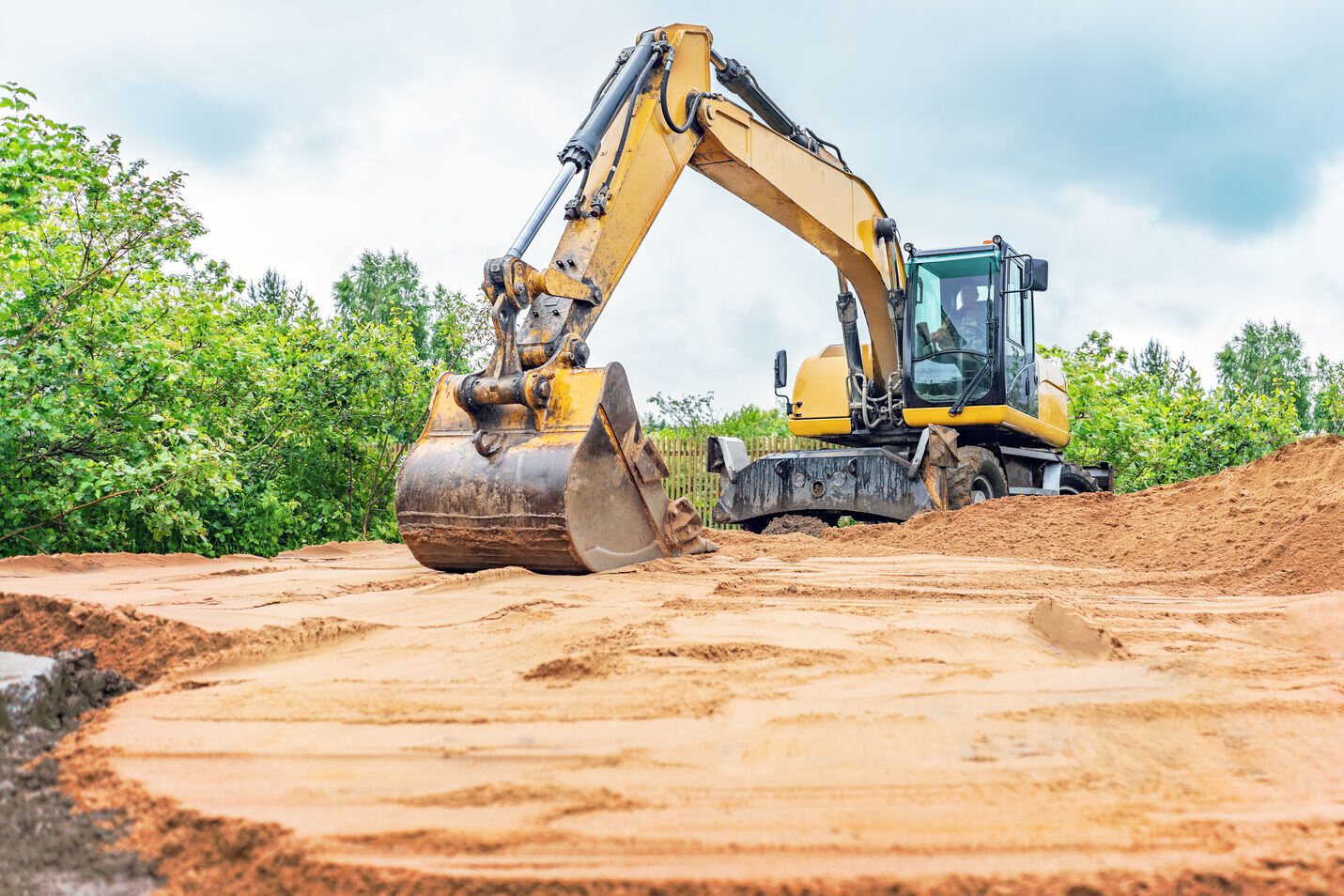
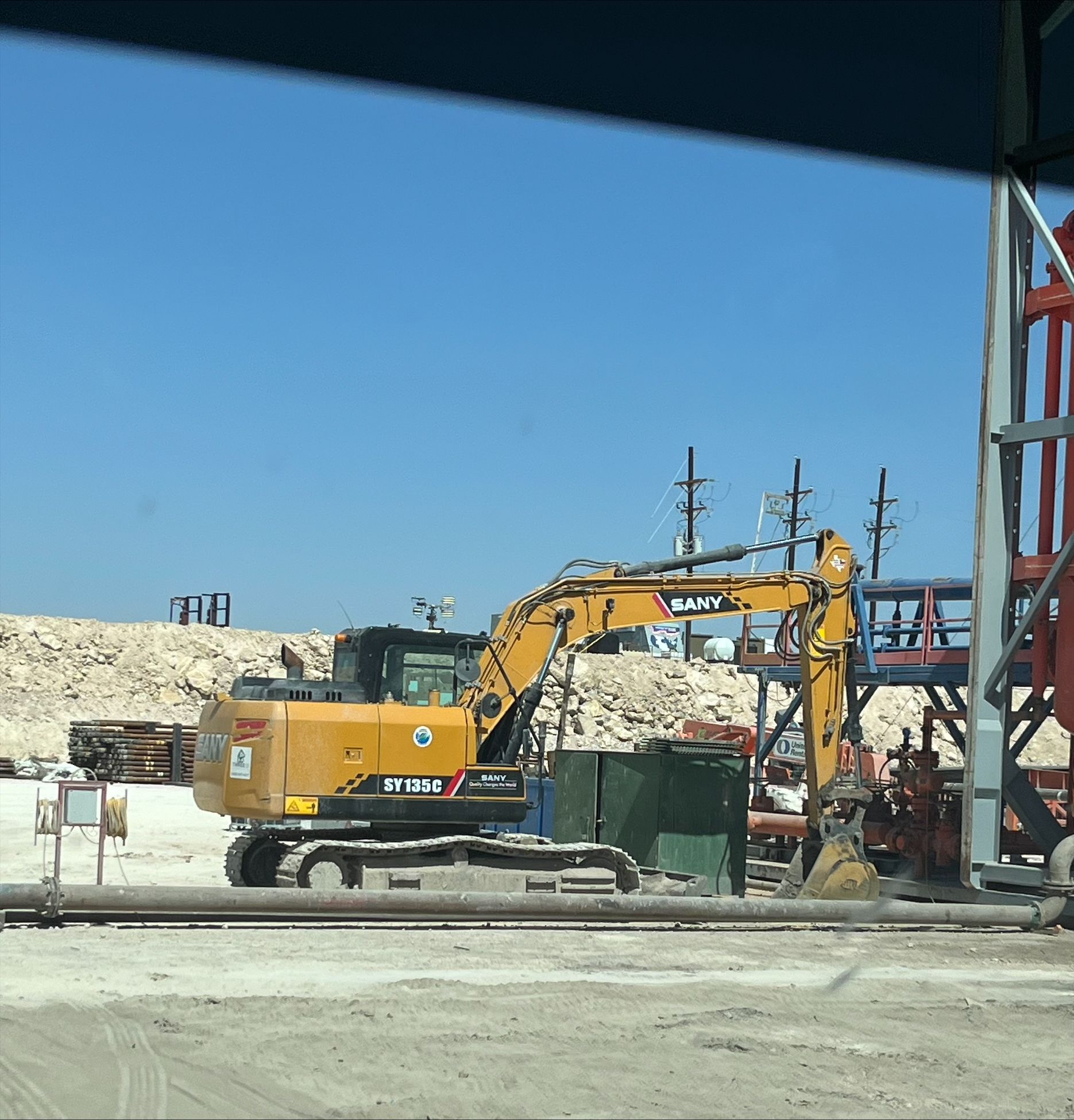
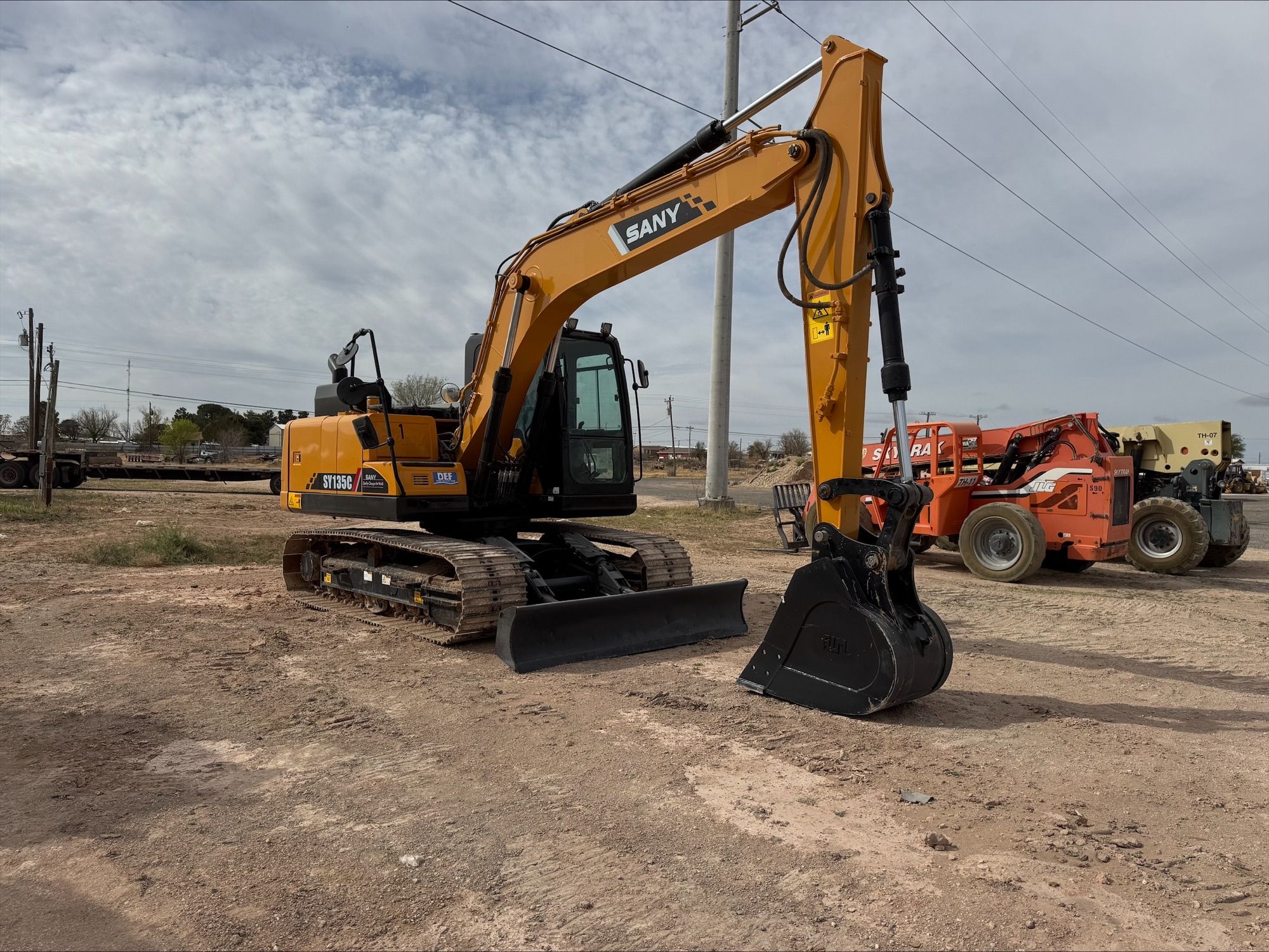
The lowboy pulls onto your job site, the driver unloads the machine, and your crew is ready to start digging. In that moment, it is tempting to sign the delivery ticket and get straight to work. But the fifteen or twenty minutes you spend looking over the machine before the bucket touches the ground can save you hours of downtime, disputes over damage charges and safety problems later in the rental.
A careful rental excavator inspection protects your crew, your schedule and your budget. It confirms the machine you received is the one you ordered, documents its condition before you take responsibility for it, and catches small problems before they turn into breakdowns in the middle of a trench. In this guide, we walk through exactly what to check when your rental excavator arrives on site, with tips tailored to the heat, dust and tough ground conditions of Midland, Odessa and the Permian Basin.
Why a Rental Excavator Inspection Matters
When you rent an excavator, you generally become responsible for its condition while it is in your care. If you do not record existing scratches, leaks or worn parts at delivery, it can be difficult to prove later that the damage was already there. A documented inspection protects you from unfair charges and gives the rental company a clear picture if something needs attention.
Inspection is also about safety. Excavators are powerful machines working close to crews, trenches, utilities and other equipment. A hydraulic leak, a faulty travel alarm or a loose coupler pin can put people at risk. Checking these items before work begins is simply good practice on every job site.
Finally, a quick inspection keeps your project on schedule. Spotting a low fluid level or a cracked hose at delivery takes minutes to fix. Discovering the same issue after the machine overheats in a West Texas afternoon can cost you the rest of the day.
Start With the Paperwork
Before you walk around the machine, review the delivery ticket and rental agreement. Confirm that the make, model, size and serial number match what you ordered. If you requested a specific attachment, such as a thumb, hydraulic hammer or a particular bucket width, make sure it arrived and is listed on the paperwork.
Record the hour meter reading and the fuel level at delivery. Many rental agreements are based on hours of use, and some charge for fuel if the machine is returned with less than it arrived with. Writing these numbers down and photographing the display creates a clear starting point.
This is also a good time to confirm who to call if something goes wrong, how service requests are handled and what is expected at the end of the rental. If you are still comparing providers, our excavator rental guide for West Texas explains what to look for in a rental partner.
Document the Machine's Condition
Take clear photos and short videos of the excavator from every angle before you operate it. Capture the boom, stick, bucket, cab, counterweight, tracks and both sides of the undercarriage. Get close up shots of any existing dents, cracked glass, worn teeth, damaged paint or visible leaks.
Make sure the photos are time stamped and stored somewhere the whole team can access. Note any damage on the delivery ticket and ask the driver or rental representative to acknowledge it before they leave. This simple habit prevents most disagreements over damage when the machine is returned.
Walk Around the Undercarriage and Tracks
The undercarriage carries the whole machine and takes a beating on rocky caliche, gravel pads and uneven oilfield sites. Look closely at the tracks, sprockets, idlers and rollers for excessive wear, missing bolts, cracks or damaged components.
Track tension deserves special attention. Tracks that are too loose can come off during turns or on slopes, while tracks that are too tight wear components faster and waste power. If the tracks sag noticeably or look unusually tight, ask the rental company to adjust them before you begin. Also check for packed mud, rock or debris lodged in the undercarriage, which can cause damage once the machine starts moving.
Inspect the Boom, Stick and Bucket
Next, look over the front attachment group. Check the boom and stick for cracks, especially around welds and high stress areas near pivot points. Inspect pins and bushings for excessive play, missing retainers or signs of poor lubrication. Dry pins wear quickly, so make sure grease points have been serviced.
Examine the bucket teeth and cutting edge. Worn or missing teeth reduce digging efficiency and put extra strain on the machine, especially in the hard ground common around Midland and Odessa. If you will be using several attachments, our article on excavator attachments for jobsite efficiency in West Texas explains how to match tools to your work.
If the machine has a quick coupler, confirm that it locks securely and that the safety pin or locking mechanism works as designed. A coupler that is not fully engaged can release an attachment without warning, which is a serious safety hazard.
Check the Hydraulic System for Leaks
Hydraulics power every movement of the excavator, so this part of the rental excavator inspection is critical. Look along all visible hoses, fittings and cylinders for wet spots, drips, cracked hoses or damaged protective covers. Check the ground under the machine for fresh fluid.
Look closely at cylinder rods for scoring, dents or oil residue around the seals. Small leaks can grow quickly under heavy use and high temperatures, and a failed hose can stop work instantly. If you see any active leaks, report them before you begin operating.
Verify Fluid Levels and Filters
Before starting the engine, check the main fluid levels. That includes engine oil, coolant, hydraulic fluid and fuel, plus diesel exhaust fluid if the machine requires it. Low fluids can point to a leak or missed service, and running a machine low can cause expensive damage.
In West Texas, the air filter and cooling system deserve extra attention. Dust and fine caliche particles clog air filters quickly, which reduces engine performance and increases wear. A radiator or cooler packed with dirt will struggle to keep the machine at a safe temperature during hot afternoons. Make sure the cooling fins are clean and the air filter indicator shows the filter is in good condition. For a broader look at how equipment is prepared for local conditions, see our article on reliable equipment support for West Texas projects.
Inspect the Cab, Controls and Safety Features
Climb into the cab and check that everything an operator needs is working properly. The seat should adjust correctly, the seat belt should latch and release smoothly, and windows and mirrors should be clean and undamaged so the operator has a clear view.
Confirm that key safety features are present and functional:
- Travel and swing alarms that warn nearby workers when the machine moves.
- Horn and lights for signaling and visibility during early starts or late finishes.
- Cameras and mirrors that give the operator a clear view of blind spots.
- Fire extinguisher mounted, charged and easy to reach.
- Protective structures such as the cab guarding in good condition with no visible damage.
- Air conditioning, which is more than a comfort feature in a West Texas summer because it keeps operators alert and safe.
Also check that the operator's manual and any required safety decals are present and readable.
Run a Function Test Before Digging
Once the visual inspection is complete, start the machine and let it warm up. Watch the display for warning lights or error codes and listen for unusual noises, knocking or grinding.
Then test each function slowly and in a clear, open area. Raise and lower the boom, extend and retract the stick, curl and dump the bucket, swing the upper structure in both directions and travel forward and backward. Movements should be smooth and responsive without jerking, drifting or hesitation. If the machine has auxiliary hydraulics for attachments, test those as well.
If anything feels wrong, stop and contact the rental company right away. It is much easier to fix or swap a machine at the start of the rental than after it has been working for several days. Modern machines include many monitoring features, and our article on how modern excavators improve construction efficiency in West Texas explains how this technology helps crews catch problems early.
Check the Site, Not Just the Machine
A thorough rental excavator inspection also looks at where the machine will work. Make sure the ground where it was unloaded is stable and level enough for safe operation, especially near trenches, soft soil or recently disturbed areas. Look up for overhead power lines and plan swing paths that keep the boom clear of them.
Before any digging begins, confirm that underground utilities have been located and marked. In Texas, that means contacting Texas 811 ahead of excavation so lines can be marked. Pipelines are common across the Permian Basin, so this step is especially important on oilfield and rural projects.
Report Problems Right Away
If you find damage, leaks, missing equipment or anything that does not work correctly, report it immediately. Take photos, note the issue on the delivery ticket and call the rental company before operating the machine. Most reputable providers would much rather fix a problem on day one than deal with a breakdown later.
Keep your inspection records for the entire rental period, and repeat a shorter walk around inspection at the start of each day. Daily checks catch new issues early and help you return the machine in the same condition you received it.
Rent With Confidence in Midland and the Permian Basin
A careful rental excavator inspection takes only a few minutes, but it protects your crew, your schedule and your bottom line. By reviewing paperwork, documenting condition, checking the undercarriage, hydraulics, fluids and safety features, and running a function test before digging, you start every rental on solid ground.
Renting also gives you flexibility that ownership cannot match, which we cover in 5 benefits of renting excavators vs buying heavy equipment. If you are still deciding which machine fits your job, read our guide on choosing the right excavator for your construction project in West Texas.