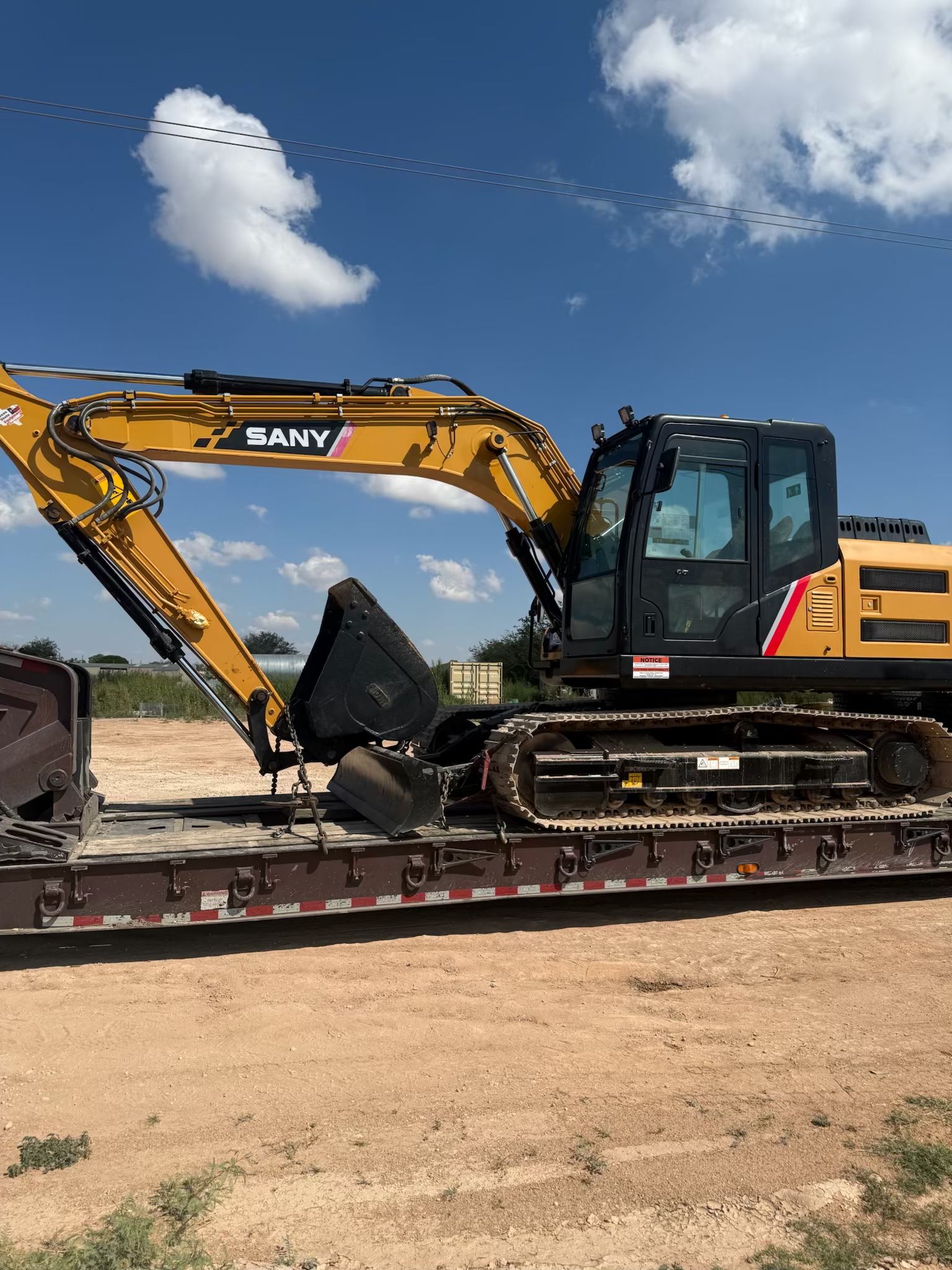
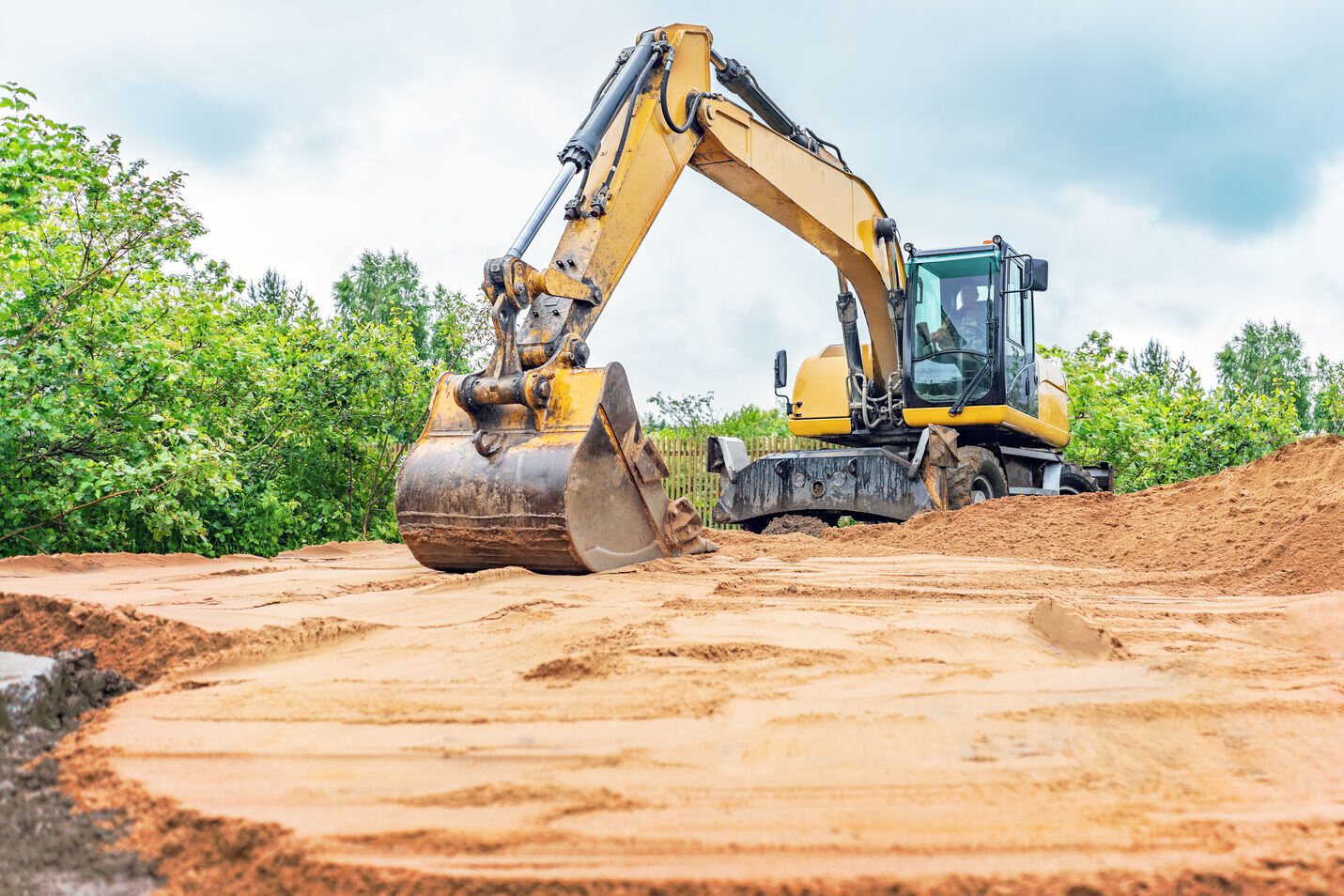
The excavators discussed here are tracked digging machines with a boom, arm and bucket mounted on a house that turns a full 360 degrees. A backhoe loader is a wheeled tractor with a loader bucket on the front and a smaller digging arm on the back that swings through a limited arc. In the excavator vs backhoe decision, choose an excavator when the job is mostly digging, deep trenching or heavy lifting. Choose a backhoe loader when you need light digging plus loading, carrying and short moves between small jobs.
The choice usually follows the work pattern on your site rather than the machine you are used to. If you are weighing excavator rental options across the Permian Basin, start by writing down your deepest cut, your access width and how much loading and carrying the crew has to do.
Key Takeaways
- An excavator suits sustained digging, deeper cuts and full rotation.
- A backhoe loader suits jobs that mix light digging with loader work.
- Midland Excavators rents SANY excavators only. No backhoe loaders are listed.
- Pick the excavator class by dig depth and site access, then confirm the spec sheet.
What Is the Difference Between an Excavator and a Backhoe Loader?
The real difference is design purpose. An excavator does one job extremely well: it digs, lifts and places material. Its upper house rotates fully, so the operator can dig on one side and dump on the other without moving the tracks. A backhoe loader is a combination machine. The front loader bucket moves soil, backfills and loads trucks, while the rear arm handles smaller digging tasks.
Be aware of one thing before you read further. Midland Excavators rents SANY excavators only, in compact, mid size and heavy duty classes. No backhoe loaders are listed in the fleet. This comparison is here to help you decide honestly which machine type your job needs. If the answer is a backhoe loader, you will need a different supplier. If the answer is an excavator, the size classes below will point you to the right one.
How Each Machine Moves
Tracks spread weight across soft ground, caliche and loose pad material, which helps on well pads and pipeline right of ways. Tracked excavators are normally transported between jobs, while wheeled backhoe loaders are built for on site movement and short distances. Confirm route, transport and road use requirements for the exact machine and location.
Which One Digs Deeper and Reaches Farther?
Dig depth and reach are published figures, so compare them directly rather than relying on a general rule. Look up the exact backhoe model's manufacturer specifications and set them beside the excavator specifications for the class you are considering. Full rotation also matters here: an excavator can keep digging in one spot and place spoil in a neat windrow without repositioning, while a backhoe loader's rear arm swings through a limited arc.
Here are the published figures for the three SANY classes Midland Excavators rents. Always confirm the spec sheet for the exact unit you reserve.
| Class | Model | Operating weight | Dig depth | Bucket |
|---|---|---|---|---|
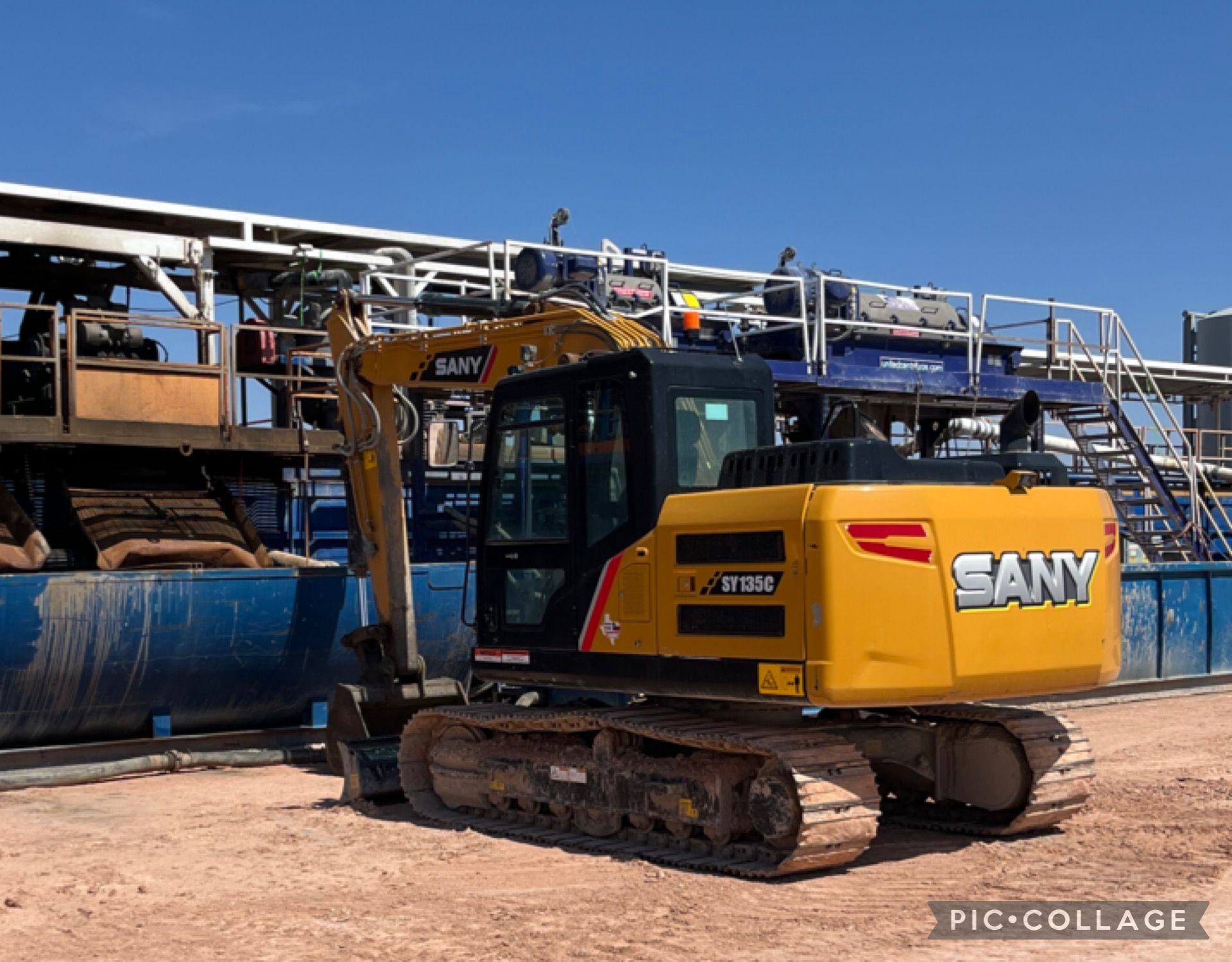
| Compact | SANY SY135C | 14,870 kg | 5,500 mm | 0.6 m3 |
| Mid size | SANY SY155U | 16,000 kg | 5,700 mm | 0.6 m3 |
| Heavy duty | SANY SY500H | 54,500 kg | 7,705 mm | 2.5 m3 |
Source: Midland Excavators machine pages for the SANY SY135C and the SANY SY155U, plus the SANY SY500H page, read 26 October 2026.
Read the dig depth column against your deepest planned cut, then add working room. A published 5,500 mm dig depth does not mean a comfortable 5,500 mm trench, because you lose depth to bucket angle, bench height and the slope or shoring your excavation plan requires.
When Does a Backhoe Loader Make More Sense?
A backhoe loader makes more sense when loader work is half the job and the digging is shallow. Think of a water line repair in a neighborhood, a small footing, a driveway culvert or a ranch job where one operator has to dig a little, backfill, grade and move material around.
Signs that point toward a backhoe loader rather than an excavator:
- You need to load, carry and backfill as much as you need to dig.
- Your trenches are shallow utility cuts, not deep pipeline or tank excavations.
- The work is spread across several close sites and short moves matter more than raw digging power.
- You are working on finished surfaces where tracks would be a problem.
If that describes your job, look for a small backhoe rental from a yard that carries them. Midland Excavators does not, and the honest answer matters more than the booking.
Which Is Better for Trenching?
When people compare backhoe vs excavator for trenching, the deciding factors are usually trench depth, trench length and how much material has to be moved per day. A backhoe loader handles short, shallow runs well. For a pipeline trench, gathering line or deep tie in, compare the required depth, access and production needs with the exact machine specifications before choosing.
How Do You Size a Machine for a Trench?
Work through it in order before you call anyone.
- Write down the finished trench depth, width and total length from the drawings.
- Add the extra depth your bedding, slope or shoring plan needs, then compare that total to the machine's published dig depth.
- Check what the soil is. Caliche and rock can affect machine selection, so describe the ground conditions when you request a quote.
- Measure the working corridor. A narrow right of way may rule out a larger house and counterweight.
- Decide where the spoil goes. If trucks must be loaded from the trench side, you need the swing and bucket capacity to keep up.
- Before digging, confirm the required utility location and excavation safety steps for your job location and excavation plan.
Compare the required dig depth and working corridor against the published specifications for each class before you choose. The compact excavator class page and the mid size page both list their figures, so you can match depth and access to the machine instead of guessing.
Which Is Easier to Move Between Job Sites?
A backhoe loader is easier to move short distances because it drives itself. Beyond that, both machine types are usually hauled. Transport planning should account for the machine's operating weight, dimensions, route and site access. The compact class at 14,870 kg and the mid size at 16,000 kg are very different hauls from a heavy duty machine at 54,500 kg, so confirm the trailer and any permit requirements with your transport provider for the exact machine and route.
Transport width and site access matter just as much as weight. A caliche lease road, a cattle guard or a tight pad corner can decide the machine before the dig depth does. Walk the access route first. For a single long job, one haul is rarely the problem. For ten scattered half day jobs, the repeated moves are.
Cost of Ownership Versus Renting
Owning either machine means carrying purchase financing, insurance, maintenance, tires or undercarriage wear, storage and transport equipment. Renting may let you request a machine for a specific job rather than own one machine year round. Rental rates and terms are not published here, so compare written quotes and confirm what each quote includes.
What Else Do Renters Ask About Excavators and Backhoes?
Frequently Asked Questions
No. Midland Excavators rents SANY excavators in compact, mid size and heavy duty classes only. No backhoe loaders are listed in the fleet. If your job truly needs a backhoe loader, you will need another supplier, and it is better to know that before you schedule the work.
An excavator can load trucks, move spoil and place pipe within its swing radius, but it cannot carry material across a site the way a front loader bucket does. If your job involves long material moves, plan for a separate loader or a different machine type.
Partly. Both machines need capable operators, and their controls and work patterns differ. Consider the operator's experience with the selected machine type when you plan the work, alongside trench depth, site access and how much loading the job requires.
Plan transport based on the exact machine, its operating weight, your route and site access. Ask Midland Excavators about delivery arrangements when you request a quote, and confirm route and site access requirements with your transport provider.
How Do You Make the Excavator vs Backhoe Call on Your Job?
The excavator vs backhoe question comes down to what the job mostly is. Heavy, deep, repetitive digging with truck loading points to an excavator. Light digging mixed with loading, backfilling and short moves points to a backhoe loader. Measure your deepest cut, check your access, and think about how often the machine must move. When the answer is an excavator, pick the class by dig depth and site width, then confirm the spec sheet for the exact unit.
Midland Excavators rents SANY compact, mid size and heavy duty excavators to oilfield, pipeline and construction crews across the Permian Basin and southeast New Mexico. To get a quote or reserve a machine for your next job, visit Midland Excavators.