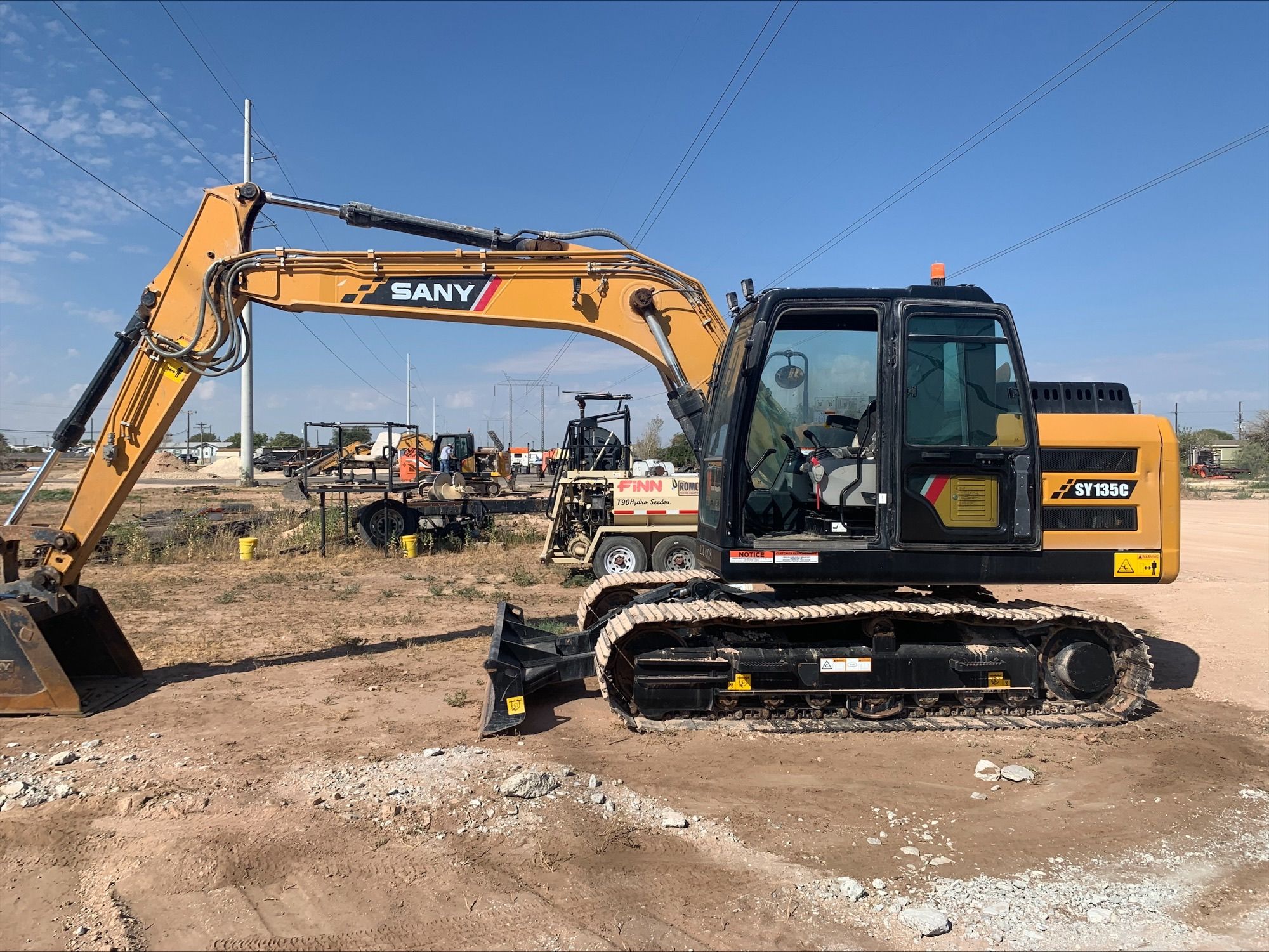
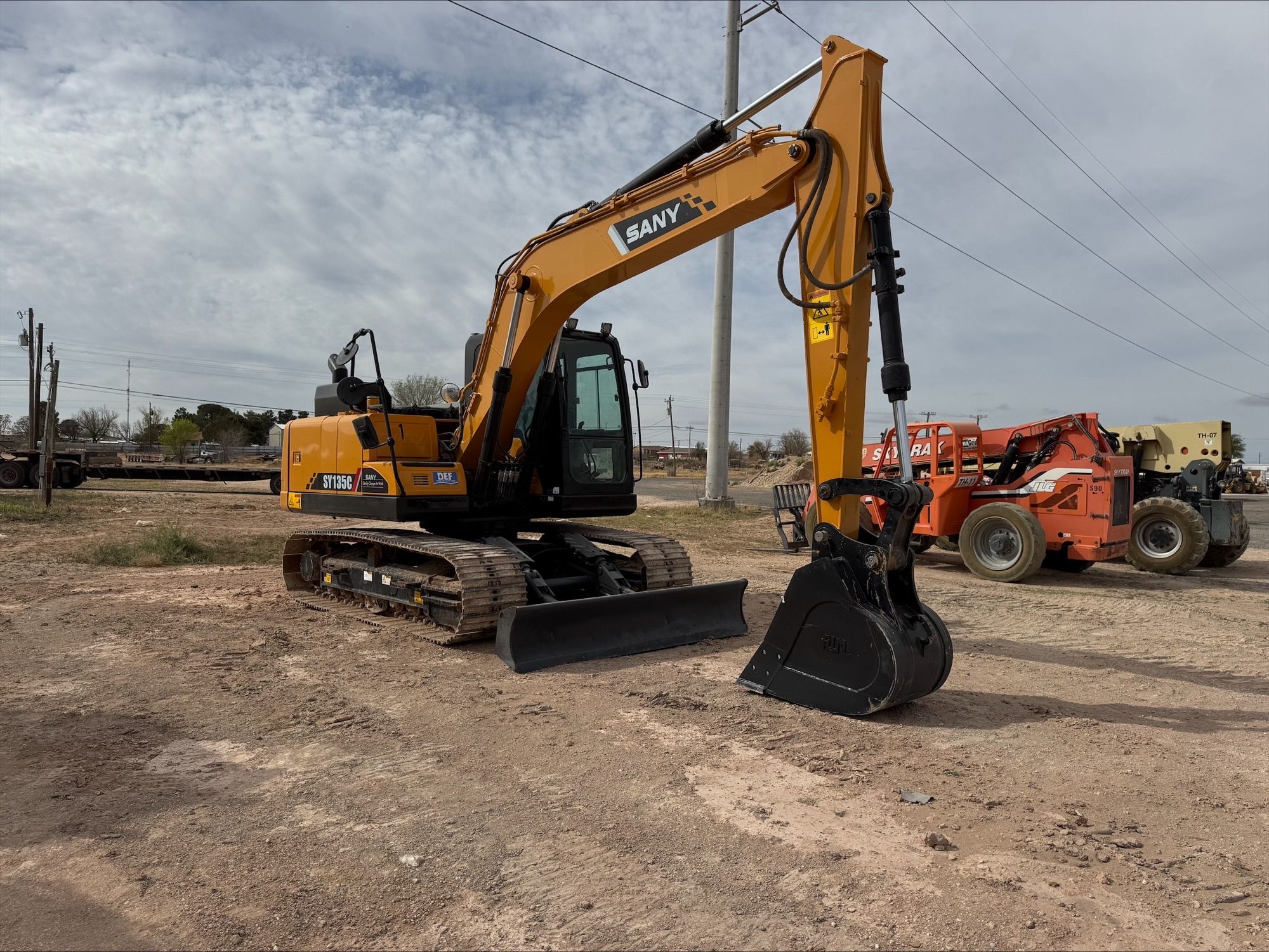
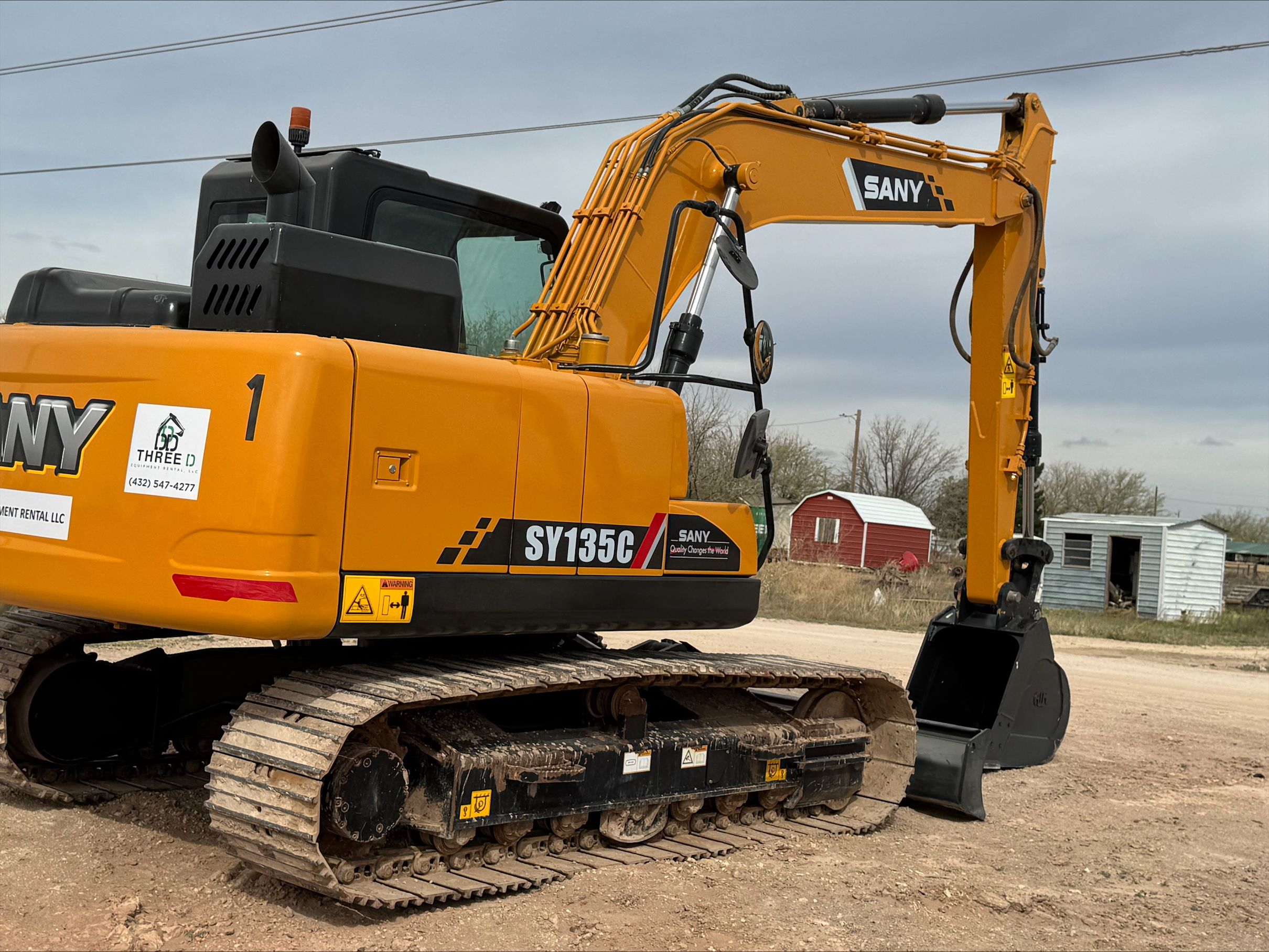
Renting or buying the right excavator for a Permian Basin project is only part of the equation. Actually getting that machine to a remote site, often down unpaved lease roads well outside any established town, is its own logistical challenge that first-time renters and even experienced operators sometimes underestimate. A poorly planned transport arrangement can delay a project just as effectively as choosing the wrong excavator in the first place, and unlike an equipment sizing mistake, a transport failure often cannot be corrected quickly once discovered on delivery day.
This guide covers what makes Permian Basin excavator transport different from a typical urban or suburban delivery, the practical requirements involved, and how to plan transport so it does not become the bottleneck holding up your project.
Why Permian Basin Sites Present Unique Transport Challenges
Oilfield and rural construction sites across the Permian Basin frequently sit well outside paved road networks, accessible only via lease roads that vary considerably in condition depending on recent weather, maintenance history, and how heavily they have been used by other traffic. Distance between sites can also be substantial, meaning transport time itself represents a real scheduling factor, not just an afterthought tacked onto a rental agreement. These conditions differ meaningfully from delivering equipment to a paved urban job site, and treating Permian Basin transport with the same assumptions as a straightforward city delivery is one of the more common planning mistakes first-time renters make.
Matching Trailer Capacity to Excavator Weight Class
Transporting an excavator safely and legally requires a trailer rated to handle that specific machine's weight, and larger excavators require correspondingly larger, properly rated trailers and towing capacity. Our guide on choosing the right excavator for your construction project in West Texas covers how to size equipment to your actual project needs, and once you have settled on a specific excavator size, confirming your transport plan can actually accommodate that machine's weight and dimensions is the next essential step, not an afterthought handled at the last minute before delivery.
Permit Considerations for Larger Loads
Larger excavators, once loaded onto an appropriately rated trailer, can push a total transport load into oversize or overweight territory under Texas highway regulations, triggering permit requirements before that load can legally travel on public roads. These permits take real lead time to process, and assuming a transport company can simply arrange last-minute permits for a tight delivery timeline is a common source of avoidable delay. Building adequate permit lead time into your overall project schedule, rather than treating transport as something that happens automatically the moment you need it, protects against exactly this kind of holdup.
Why Local Transport Knowledge Matters
A transport provider genuinely familiar with Permian Basin roads, lease road access points, and typical seasonal conditions delivers equipment far more reliably than a provider unfamiliar with the region attempting to navigate the same route for the first time. Our article on why SANY excavators are built for the Permian Basin covers how equipment engineered for this region's specific demands performs differently than machines designed primarily for other conditions, and the same principle applies directly to transport itself. A provider who already knows which lease roads become impassable after rain, or which routes require additional planning around oilfield traffic patterns, avoids problems a less familiar provider would only discover after already committing to a delivery attempt.
Assessing Site Access Before You Schedule Delivery
Before finalizing a delivery date, confirming that your specific site's access road can actually support the trailer and excavator combination being delivered protects against a failed delivery attempt that wastes both time and transport cost. Road width, weight capacity for any bridges or culverts along the route, and recent weather conditions affecting road surface all factor into whether a specific access route is genuinely viable for the equipment being delivered. This assessment matters especially for sites accessed via less-maintained lease roads, where conditions can change considerably between a route being viable one week and impassable the next after significant rainfall.
Timing Delivery Around Weather and Site Conditions
West Texas weather, while generally dry, can create real access problems during and after rain events, when unpaved lease roads turn to mud that even appropriately rated transport equipment cannot safely navigate. Building flexibility into your delivery schedule, rather than committing to a single fixed date regardless of forecast conditions, protects against the kind of failed delivery attempt that costs real time and money when a transport crew arrives only to find the access road unusable that day.
Coordinating Transport With Your Overall Project Schedule
Transport is easiest to plan when treated as a defined project milestone with its own lead time, rather than an assumed detail that will simply work itself out once other project pieces are in place. Building a realistic transport timeline into your overall project schedule, factoring in permit processing time, weather contingency, and the actual driving distance and road conditions to your specific site, keeps equipment delivery from becoming the unplanned variable that throws off an otherwise well-organized project start date.
This kind of proactive scheduling matters even more for projects with a hard start date driven by contractual obligations or coordination with other trades already scheduled to begin work once excavation is underway. A transport delay in this situation does not just push back one piece of equipment; it can cascade into delays across an entire project's coordinated schedule.
Questions Worth Asking Before You Schedule Transport
A few direct questions help confirm a transport plan is genuinely ready before you commit to a delivery date. Does the transport provider have direct experience delivering to your specific site or a comparable location in the same general area, rather than general regional experience alone? What is the actual permit lead time required given your excavator's size and the specific route being used, and has that lead time already been factored into your project schedule? What is the provider's contingency plan if weather makes the planned route impassable on the scheduled delivery date, and how much flexibility does your project timeline actually have to accommodate a short delay if that happens?
Getting clear, specific answers to these questions before committing to a delivery date protects against exactly the kind of last-minute surprise that turns a straightforward equipment rental into an unexpected project delay.
Operator Safety Considerations During Delivery
Once equipment arrives on-site, proper unloading procedure matters for both equipment and personnel safety. Our guide on excavator operator safety and daily inspection in West Texas covers safety practices that apply directly to this initial unloading process as well as ongoing daily operation, and confirming the unloading area itself is stable, level, and clear of hazards before equipment comes off the trailer protects against an avoidable incident right at the start of a project.
Return Logistics for Rental Equipment
Transport planning does not end once equipment reaches your site. Rental agreements typically require equipment return within a specified window, and planning return transport logistics with the same care given to initial delivery avoids late fees or scheduling conflicts with the rental provider's next customer. Our 5 benefits of renting excavators vs. buying heavy equipment covers the broader case for rental over ownership, and part of realizing those benefits fully depends on managing both delivery and return transport smoothly, rather than letting logistics friction erode the convenience rental is supposed to provide.
Working With a Provider Who Handles Transport as Part of the Rental
Renting from a provider who includes transport coordination as part of the overall rental service, rather than leaving customers to arrange their own separate hauling company, removes a significant logistics burden from your project planning. Our excavator rental guide for West Texas and our overview of excavator rentals in Midland, Odessa, and the Permian Basin reflect the kind of regionally integrated service worth seeking out specifically because transport is such a significant, easily underestimated part of getting equipment to a remote site successfully.
Final Thoughts
Choosing the right excavator for a Permian Basin project is only half the job. Getting that equipment safely and reliably to a remote site, often via lease roads well outside paved infrastructure, requires its own careful planning around trailer capacity, permitting, site access conditions, and weather timing. Working with a provider who understands these regional transport realities directly, rather than treating delivery logistics as an afterthought handled separately from the rental decision itself, is what actually keeps a project on schedule from the moment equipment leaves the yard until it arrives ready to work.