Excavation is one of the most critical stages in construction and infrastructure development. Whether it involves site preparation, pipeline installation, oilfield development, or commercial construction, the success of any project depends heavily on the quality of excavation planning and equipment selection.
In regions like West Texas, where soil conditions are tough and projects are often large-scale, choosing the right machinery and support systems becomes even more important. Companies such as Midland Excavators provide specialized excavation equipment solutions designed to meet the demands of the Permian Basin and surrounding construction environments.
This article explores excavation efficiency strategies, equipment selection principles, and rental approaches that help contractors reduce costs, improve productivity, and complete projects more effectively.
Understanding the Role of Excavation in Construction Projects
Excavation is more than just digging soil. It is the foundation of almost every construction project.
Key excavation applications include:
- Site preparation for buildings
- Utility trenching
- Pipeline installation
- Road construction
- Oil and gas infrastructure development
Each of these applications requires different types of equipment, planning, and technical expertise.
Without proper excavation planning, projects face delays, increased costs, and safety risks.
Why West Texas Presents Unique Excavation Challenges
West Texas, particularly the Permian Basin region, presents unique challenges for excavation work due to its geological and environmental conditions.
Common challenges include:
- Hard and compact soil layers
- Rocky terrain
- Extreme heat conditions
- Remote jobsite locations
- High-demand oilfield operations
These factors require durable and high-performance machinery capable of handling continuous heavy workloads.
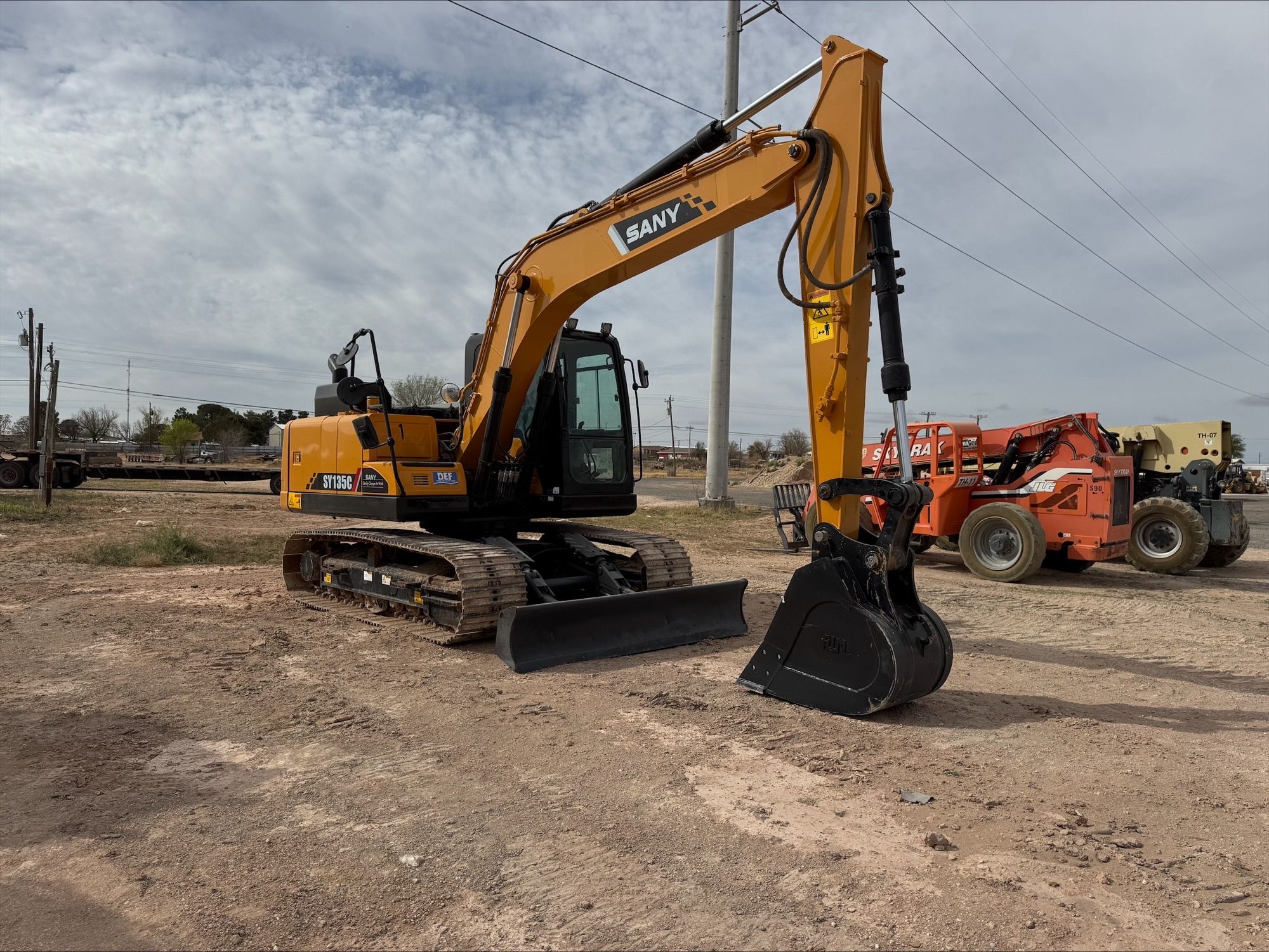
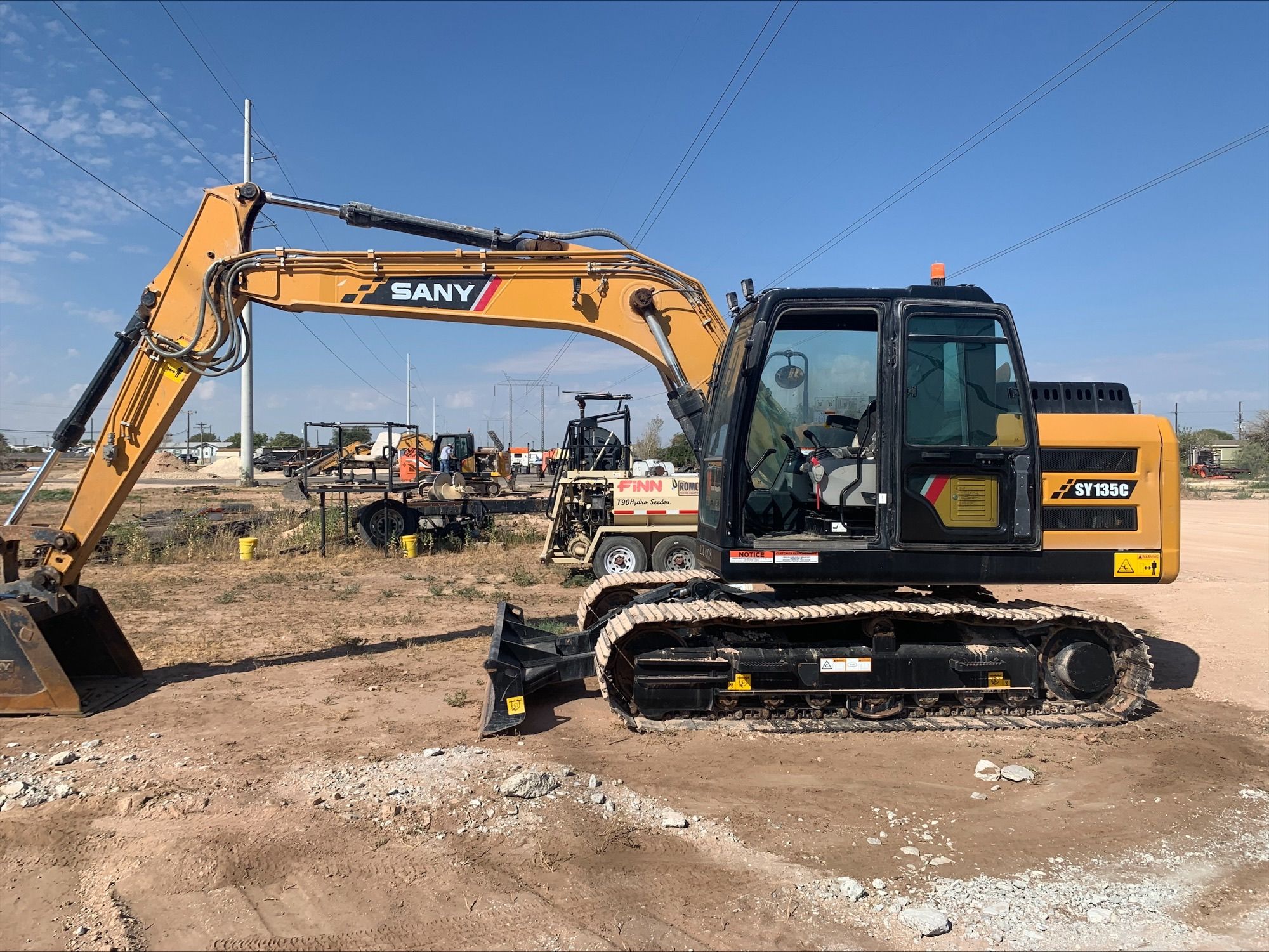
For more insights into regional equipment suitability, see why sany excavators are built for the permian basin
Excavation Equipment Selection: Why It Matters
Choosing the right excavation equipment is one of the most important decisions in any construction project.
The wrong equipment can lead to:
- Increased fuel consumption
- Equipment breakdowns
- Slower project timelines
- Higher labor costs
- Safety risks
Proper equipment selection ensures efficiency, productivity, and cost control.
Key factors to consider include:
- Soil type
- Project size
- Depth requirements
- Load capacity
- Operating environment
Excavator Types and Their Applications
Different types of excavators are designed for specific tasks. Common categories include:
Standard Excavators
Used for general construction and digging operations. Suitable for medium to large-scale projects.
Mini Excavators
Ideal for small jobs, tight spaces, and residential projects.
Heavy-Duty Excavators
Designed for large-scale industrial and oilfield operations requiring high power and durability.
Long-Reach Excavators
Used for deep digging, demolition, and specialized applications.
Each type plays a unique role depending on project requirements.
The Importance of Equipment Rental in Modern Construction
Equipment rental has become a preferred strategy for many contractors in West Texas.
Benefits include:
- Lower upfront investment
- Access to modern machinery
- Reduced maintenance costs
- Flexibility for short-term projects
- Improved project budgeting
Rental solutions also allow companies to scale equipment usage based on project demand.
For more insights, see 5 benefits of renting excavators vs buying heavy equipment
Excavation Efficiency Through Proper Planning
Efficient excavation starts with proper project planning.
Key planning steps include:
- Site evaluation
- Soil testing
- Equipment scheduling
- Workforce allocation
- Safety assessment
Proper planning ensures that excavation activities run smoothly and without unnecessary delays.
Equipment Maintenance and Downtime Reduction
One of the biggest challenges in excavation projects is equipment downtime.
Downtime leads to:
- Project delays
- Increased operational costs
- Reduced productivity
To reduce downtime, contractors should:
- Perform regular maintenance
- Inspect equipment before use
- Use high-quality parts
- Train operators properly
Reliable equipment support plays a key role in minimizing downtime on active job sites.For related information, see reliable equipment support west texas projects
Excavation in Oilfield and Energy Projects
West Texas is a major hub for oil and gas development. Excavation equipment plays a critical role in:
- Pipeline trenching
- Facility construction
- Road access development
- Drilling site preparation
These projects require high-performance excavators capable of operating in harsh and remote environments.
Safety Considerations in Excavation Work
Excavation is one of the most hazardous construction activities.
Common risks include:
- Trench collapse
- Equipment accidents
- Ground instability
- Poor visibility conditions
To ensure safety, contractors must:
- Follow OSHA guidelines
- Conduct site inspections
- Train operators properly
- Use protective systems when necessary
Safety compliance not only protects workers but also reduces project liability.
Choosing Between Renting and Buying Equipment
One of the most important decisions for contractors is whether to rent or buy equipment.
Renting is ideal for:
- Short-term projects
- Seasonal work
- Budget-conscious operations
Buying is better for:
- Long-term frequent use
- Large construction companies
- Permanent fleet expansion
For more guidance, see excavator rentals in midland odessa and the permian basin
Improving Productivity Through Operator Efficiency
Even the best equipment cannot perform efficiently without skilled operators.
Operator efficiency depends on:
- Training and experience
- Familiarity with equipment
- Understanding jobsite conditions
- Communication with ground teams
Well-trained operators significantly improve excavation speed and safety.
Technology in Modern Excavation Equipment
Modern excavators are equipped with advanced technology such as:
- GPS tracking systems
- Automated controls
- Fuel efficiency monitoring
- Real-time diagnostics
These technologies improve precision, reduce waste, and enhance operational efficiency.
Environmental Considerations in Excavation Projects
Excavation work can have environmental impacts if not properly managed.
Key considerations include:
- Soil erosion control
- Dust management
- Fuel emission reduction
- Site restoration practices
Sustainable excavation practices are becoming increasingly important in modern construction projects.
Common Excavation Mistakes to Avoid
Many construction delays are caused by avoidable mistakes such as:
- Poor equipment selection
- Inadequate planning
- Ignoring soil conditions
- Skipping maintenance checks
- Lack of operator training
Avoiding these mistakes improves efficiency and reduces costs.
Future of Excavation in West Texas
The excavation industry continues to evolve with new technology and equipment innovations.
Future trends include:
- Increased automation
- Electric and hybrid excavators
- AI-based jobsite monitoring
- Predictive maintenance systems
These advancements will improve efficiency and reduce environmental impact.
Conclusion
Excavation is a foundational part of construction and infrastructure development, especially in demanding regions like West Texas. Success depends on careful planning, proper equipment selection, and efficient project management.
By using reliable equipment solutions from providers like Midland Excavators, contractors can improve productivity, reduce downtime, and complete projects more efficiently.
As construction demands continue to grow, excavation strategies will play an even more important role in ensuring safe, cost-effective, and timely project delivery.