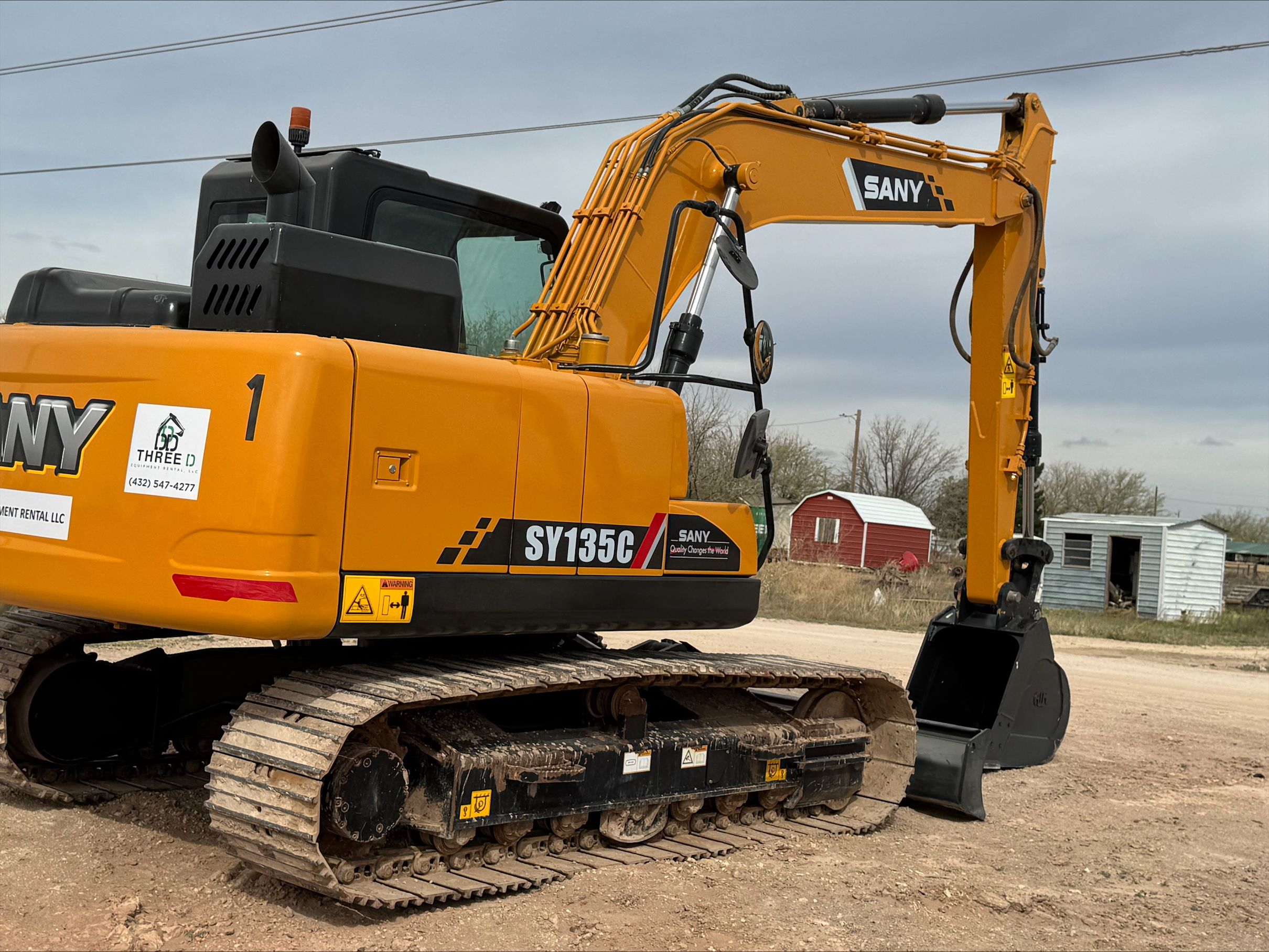
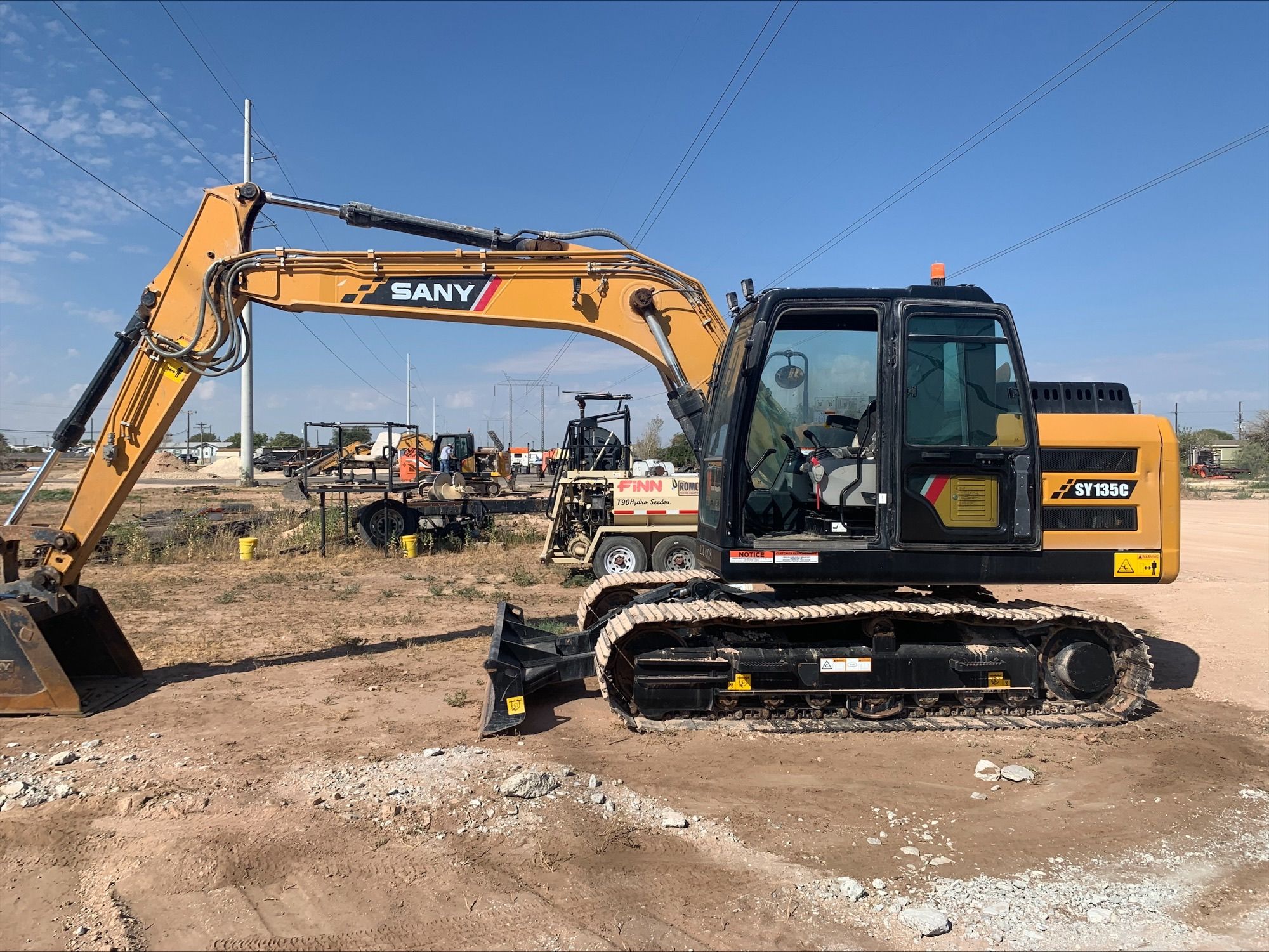
West Texas puts equipment through conditions that few other regions match. Between triple-digit summer temperatures, constant dust exposure across the Permian Basin, and long operating hours on oilfield and construction sites, excavators working this region face wear patterns that a maintenance schedule built for milder climates simply doesn't account for. Contractors who adjust their maintenance routine specifically for heat and dust see fewer breakdowns, longer component life, and less unplanned downtime during the busiest parts of the year.
This guide covers the specific maintenance steps that matter most for excavators operating in West Texas heat and dust, and how to build them into a routine that keeps machines running through the toughest conditions the region throws at them.
Why Heat and Dust Hit Excavators Harder Here
Excavators are built to handle demanding work, but sustained high heat combined with fine, abrasive dust creates a maintenance challenge that's more aggressive than typical construction environments. Heat accelerates fluid breakdown, increases component expansion and wear, and pushes cooling systems to their limits. Dust, meanwhile, works its way into filters, seals, and moving parts, turning normal wear into accelerated wear if it isn't managed proactively.
Combined, these two factors mean a maintenance schedule that would be perfectly adequate in a cooler, cleaner climate often falls short across Midland, Odessa, and the surrounding Permian Basin.
Cooling System Checks Matter More in Summer
An excavator's cooling system works harder in West Texas heat than almost anywhere else it might operate. Radiators, coolers, and fans need to move enough air to keep engine and hydraulic temperatures in a safe range even when ambient temperatures are already pushing past 100 degrees.
Key cooling system checks include:
- Cleaning radiator and cooler fins regularly, since dust buildup on fins reduces airflow and cooling efficiency significantly
- Checking coolant levels and condition more frequently during peak summer months
- Inspecting fan belts and hoses for heat-related cracking or wear
- Monitoring hydraulic oil temperature, since overheated hydraulic fluid loses viscosity and lubricating properties faster
Machines running long hours on active job sites, similar to the workflows described in our look at excavator rental efficiency strategies for West Texas construction projects, benefit from cooling system checks built directly into daily pre-shift routines during summer months rather than left to a weekly or monthly schedule.
Air Filtration: The First Line of Defense Against Dust
Dust is one of the most persistent challenges for equipment operating across the Permian Basin, and air filtration is the primary defense against it working its way into an engine or hydraulic system. A clogged or poorly maintained air filter reduces engine performance and, over time, allows fine particles through that accelerate internal engine wear.
Dust management practices worth building into a routine:
- Checking and cleaning primary air filters daily on dusty sites, rather than relying on standard service intervals alone
- Replacing secondary (safety) filters on schedule, since these are the last line of defense if the primary filter is compromised
- Inspecting air intake seals and ducting for cracks or gaps that let unfiltered air bypass the filtration system entirely
- Storing and handling replacement filters carefully to avoid introducing dust during the swap itself
Sites with particularly heavy dust exposure, including remote oilfield locations, often justify shortening standard filter service intervals significantly compared to manufacturer defaults built around average operating conditions.
Hydraulic System Care in High Heat
Hydraulic systems are especially sensitive to heat, since hydraulic fluid viscosity changes with temperature and overheated fluid breaks down faster, losing its ability to lubricate and protect internal components. In sustained high-heat conditions, hydraulic system maintenance deserves extra attention beyond standard service intervals.
Important hydraulic care steps include:
- Checking hydraulic fluid levels and condition more frequently in summer months
- Watching for signs of foaming or discoloration, which can indicate heat-related fluid breakdown
- Inspecting hoses and seals for heat-related cracking or hardening
- Ensuring hydraulic coolers are clean and unobstructed, since a dirty cooler can't dissipate heat effectively even if the rest of the system is in good condition
Machines equipped with the kind of specialized attachments covered in our guide to excavator attachments and jobsite efficiency place additional hydraulic demand on the system, since attachments like breakers and compactors cycle hydraulic fluid more aggressively than standard digging work, which makes heat-related hydraulic maintenance even more important on machines running attachment-heavy workloads.
Battery and Electrical System Considerations
Extreme heat is hard on batteries and electrical components, often shortening battery life significantly compared to milder climates. Heat accelerates the internal chemical breakdown that eventually leads to battery failure, and it's not uncommon for batteries in West Texas conditions to need replacement more frequently than manufacturer-average estimates suggest.
Beyond batteries, dust exposure can also affect electrical connections and sensors over time, particularly on machines equipped with modern telematics or GPS guidance systems. Regularly inspecting connections for dust buildup or corrosion helps prevent electrical issues that can otherwise be difficult to diagnose in the field.
Tire and Undercarriage Wear in Rocky, Abrasive Terrain
West Texas terrain often combines rocky ground with abrasive dust, a combination that accelerates wear on undercarriage components and tires alike. Regular inspection of track tension, roller wear, and tire condition helps catch problems before they turn into a machine going down mid-project.
Operators working across the varied terrain described in our overview of choosing the right excavator for your construction project should factor terrain-specific undercarriage wear into their maintenance planning from the start, since the right machine configuration can reduce some of this wear before maintenance even becomes a factor.
Scheduling Maintenance Around Peak Heat Hours
Where possible, scheduling routine maintenance checks and non-urgent repairs during cooler parts of the day early morning or evening reduces the strain on both equipment and maintenance crews working in direct summer heat. This isn't always practical given project deadlines, but for planned maintenance windows, avoiding peak afternoon heat when temperatures and equipment surface temperatures are both at their highest reduces risk for everyone involved.
Seals, Hoses, and Fittings Under Sustained Heat Stress
Rubber and synthetic seals degrade faster under sustained heat exposure, and West Texas summers put that degradation on an accelerated timeline compared to milder regions. Cracked or hardened seals allow dust and contaminants into systems they're meant to protect, which compounds the filtration challenges already present in the region.
A few practical steps help catch this wear before it causes a failure:
- Inspecting hydraulic hoses regularly for surface cracking, bulging, or stiffness that indicates heat-related breakdown
- Checking cylinder seals for signs of leakage, which often shows up as a thin film of fluid around the rod
- Replacing seals proactively on machines with known heavy-use history rather than waiting for visible failure
- Keeping spare hoses and fittings on hand for machines working remote sites, where a failed hose can otherwise mean significant downtime waiting on a replacement part
Catching seal and hose wear early is particularly important on machines running specialized attachments, since the added hydraulic cycling those attachments require puts extra stress on fittings and seals that are already working harder in the heat.
Why Rental Equipment Benefits From Professional Maintenance Support
One advantage of working with a rental provider rather than owning equipment outright is that heat and dust-specific maintenance becomes someone else's responsibility to manage proactively. Well-maintained rental machines arrive already prepared for regional conditions, with service intervals adjusted for the environment rather than left at manufacturer defaults built around average climates.
This is one of the practical advantages covered in our comparison of renting excavators vs. buying heavy equipment, where maintenance burden shifts away from the contractor and onto a provider already familiar with what West Texas conditions do to equipment over time.
Building Heat and Dust Awareness Into Daily Operations
The contractors who see the least downtime from heat and dust related issues are the ones who treat regional conditions as a standing factor in their maintenance planning, not an occasional inconvenience. Daily filter checks, frequent cooling system inspections, and attention to hydraulic fluid condition during summer months all add up to machines that stay productive through the conditions that define construction and oilfield work across Midland, Odessa, and the Permian Basin.
Equipment maintained with these regional realities in mind holds up better, breaks down less often, and keeps projects moving even when the thermometer and the dust both push equipment to their limits. Building this awareness into a routine, rather than reacting after a breakdown, is ultimately what separates fleets that stay productive through a Permian Basin summer from those constantly playing catch-up on repairs.