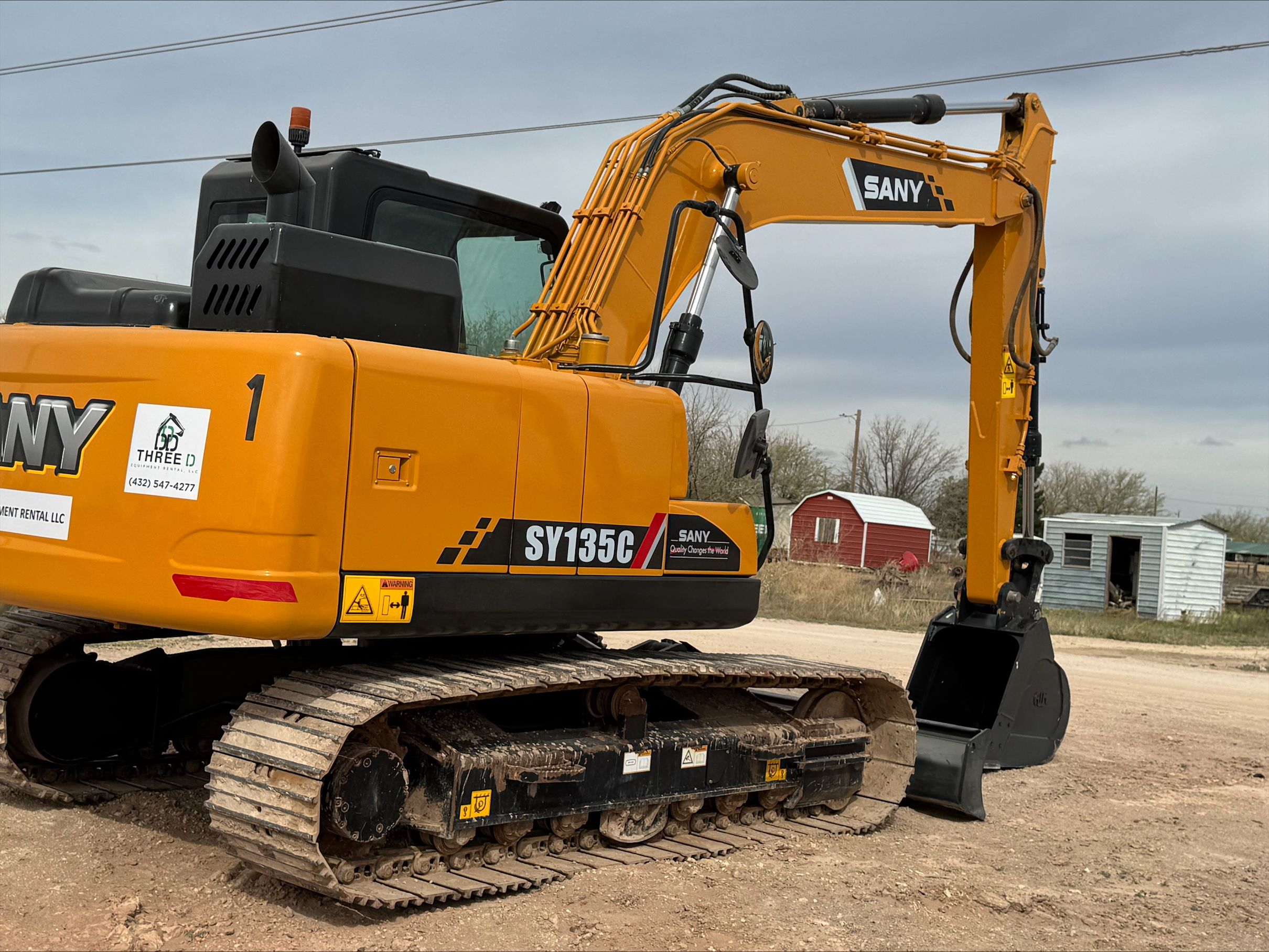
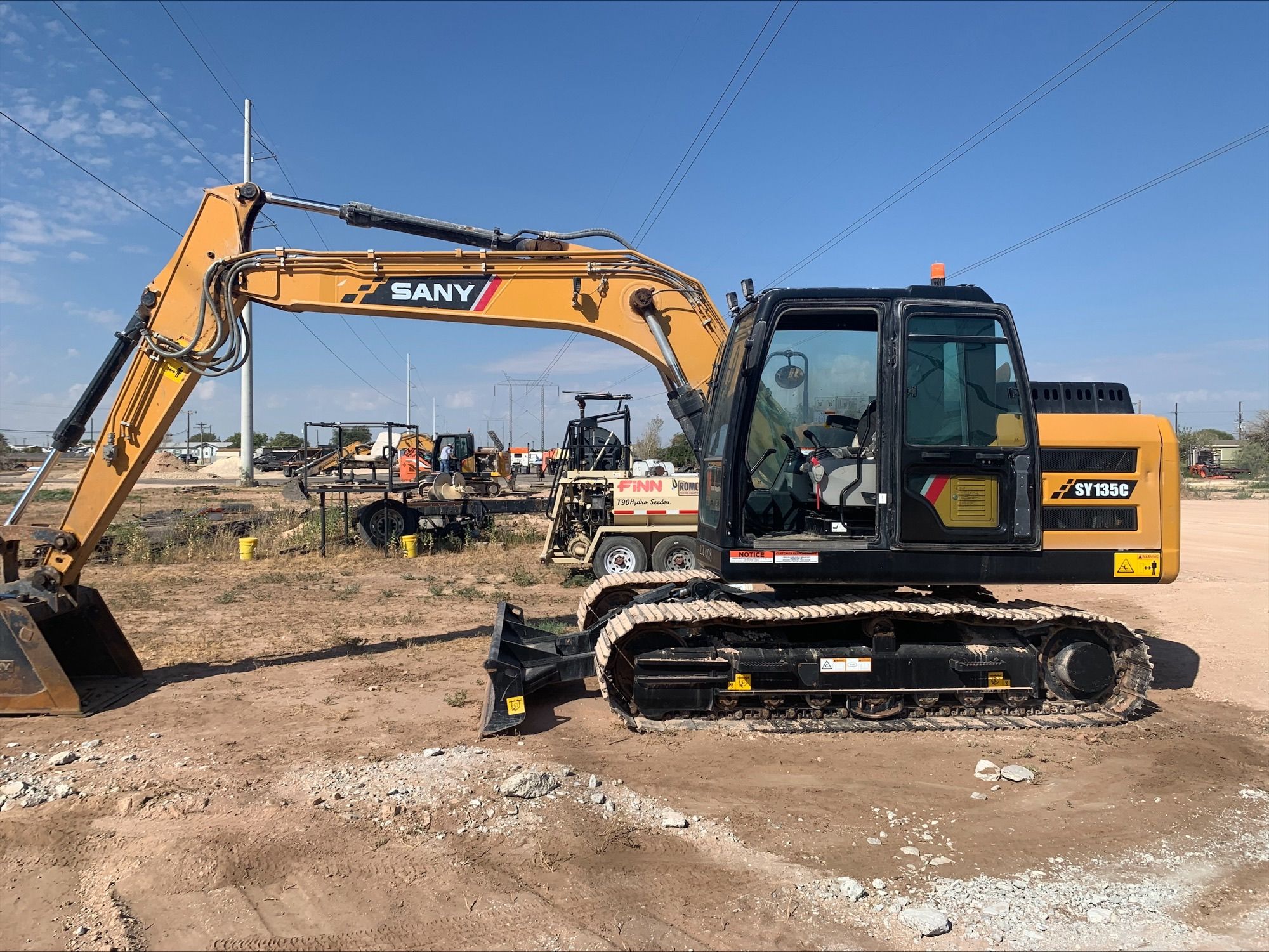
Excavation projects in West Texas demand more than just powerful machines. Harsh weather, challenging soil conditions, and tight project timelines require a strategic approach to how equipment is used on-site. Productivity is not simply about having an excavator it’s about how efficiently that excavator is integrated into the overall workflow.
Contractors who focus on optimizing excavation workflows can complete projects faster, reduce operational costs, and improve overall performance. By aligning equipment, crew coordination, and jobsite planning, excavation becomes a streamlined process rather than a series of delays.
Working with experienced providers like Midland Excavators helps contractors implement smarter equipment strategies that are tailored to the unique demands of the Permian Basin.
Why Workflow Matters More Than Equipment Alone
Having the right excavator is important, but it’s only part of the equation.
What Defines an Efficient Workflow
- Proper sequencing of tasks
- Continuous equipment utilization
- Coordination between crews
- Minimal downtime between operations
Without an efficient workflow, even the best equipment can become underutilized.
Understanding West Texas Jobsite Challenges
Excavation in West Texas presents unique conditions that directly impact productivity.
Key Challenges
- Hard and compacted soil
- Extreme heat and dry conditions
- Remote jobsite locations
- Dust and debris affecting visibility
These factors require equipment and workflows designed specifically for the region.
For regional equipment insights, visit excavators built for the Permian Basin .
Sequencing Excavation Tasks for Maximum Efficiency
One of the most effective ways to improve productivity is by organizing tasks in the correct order.
Typical Excavation Workflow
- Site clearing
- Initial digging
- Material removal
- Grading and leveling
When tasks are properly sequenced, equipment can operate continuously without unnecessary interruptions.
Reducing Idle Time on Excavation Sites
Idle time is one of the biggest productivity killers in excavation projects.
Common Causes
- Waiting for trucks to remove material
- Delays in crew coordination
- Equipment not scheduled properly
How to Reduce Idle Time
- Synchronize hauling and digging operations
- Use multiple machines when needed
- Plan workflows in advance
Reducing idle time ensures that every piece of equipment is used efficiently.
Matching Equipment to Specific Tasks
Not all excavation tasks require the same type of machine.
Examples
- Large excavators for heavy digging
- Compact machines for tight spaces
- Specialized attachments for precision work
Using the right equipment for each task improves both speed and accuracy.
For selection tips, review choosing the right excavator .
The Role of Attachments in Workflow Optimization
Attachments can significantly expand the capabilities of an excavator.
Common Attachments
- Buckets for digging
- Augers for drilling
- Hydraulic breakers for hard materials
Switching attachments instead of machines saves time and increases efficiency.
Coordinating Excavators with Hauling Equipment
Excavation is rarely a standalone task. It requires coordination with hauling equipment.
Why Coordination Matters
- Prevents bottlenecks
- Maintains continuous operation
- Improves overall productivity
When excavators and trucks work in sync, projects move faster.
Adapting to Changing Jobsite Conditions
West Texas job sites can change quickly due to weather and ground conditions.
Examples
- Sudden temperature shifts
- Soil hardness variations
- Unexpected obstacles
Efficient workflows allow teams to adapt without major disruptions.
The Importance of Operator Skill in Productivity
Even the best equipment requires skilled operators.
Benefits of Experienced Operators
- Faster task completion
- Reduced equipment wear
- Better precision
Operator training is a key factor in maximizing excavation performance.
Minimizing Equipment Downtime
Downtime can significantly impact project timelines.
Common Causes
- Mechanical issues
- Lack of maintenance
- Delayed repairs
Solutions
- Regular equipment inspections
- Preventive maintenance
- Access to reliable support
For equipment support, explore reliable equipment support .
Using Rental Equipment to Improve Workflow Flexibility
Rental equipment provides flexibility that ownership often cannot.
Advantages
- Access to additional machines when needed
- No long-term maintenance concerns
- Ability to scale operations
For rental insights, visit excavator rentals in the Permian Basin .
Planning for Remote Jobsite Efficiency
Many West Texas projects are located in remote areas.
Challenges
- Limited access to equipment
- Delays in repairs or replacements
- Logistics issues
Solutions
- Pre-plan equipment needs
- Work with local providers
- Ensure backup resources
This reduces delays and keeps projects on schedule.
Fuel Efficiency and Cost Management
Fuel is a major expense in excavation projects.
How Workflow Impacts Fuel Use
- Idle machines waste fuel
- Inefficient operations increase consumption
- Proper planning reduces unnecessary usage
Optimizing workflows helps control fuel costs.
Improving Safety Through Efficient Operations
Safety and productivity are closely linked.
How Efficiency Improves Safety
- Reduces rushed work
- Minimizes equipment conflicts
- Ensures better coordination
Safe job sites are more productive and reliable.
Scaling Excavation Projects Without Delays
As projects grow, maintaining efficiency becomes more challenging.
Key Strategies
- Add equipment as needed
- Maintain workflow consistency
- Coordinate multiple teams
Scaling efficiently ensures projects remain on track.
Avoiding Common Workflow Mistakes
Mistakes in workflow planning can lead to delays and increased costs.
Common Errors
- Poor task sequencing
- Underestimating equipment needs
- Lack of coordination
Avoiding these mistakes improves overall project performance.
Building a Workflow Strategy for Long-Term Success
A strong workflow strategy ensures consistent results across projects.
Steps to Build a Strategy
- Analyze project requirements
- Plan equipment usage
- Coordinate teams effectively
- Monitor performance
- Adjust as needed
This approach creates a repeatable system for success.
Why Choosing the Right Equipment Partner Matters
A reliable partner plays a key role in workflow efficiency.
A trusted provider like Midland Excavators offers:
- High-quality equipment
- Local expertise
- Reliable support
This ensures that excavation workflows remain efficient and productive.
Final Thoughts
Excavation productivity in West Texas is not just about having powerful machines it’s about using them effectively. By focusing on workflow optimization, contractors can reduce downtime, improve efficiency, and complete projects faster. From proper task sequencing to equipment coordination and operator skill, every element plays a role in achieving success. With the right strategy and support, excavation projects can be completed with greater speed, lower costs, and improved overall performance. In a competitive industry, those who optimize their workflows gain a clear advantage delivering better results on every job site.