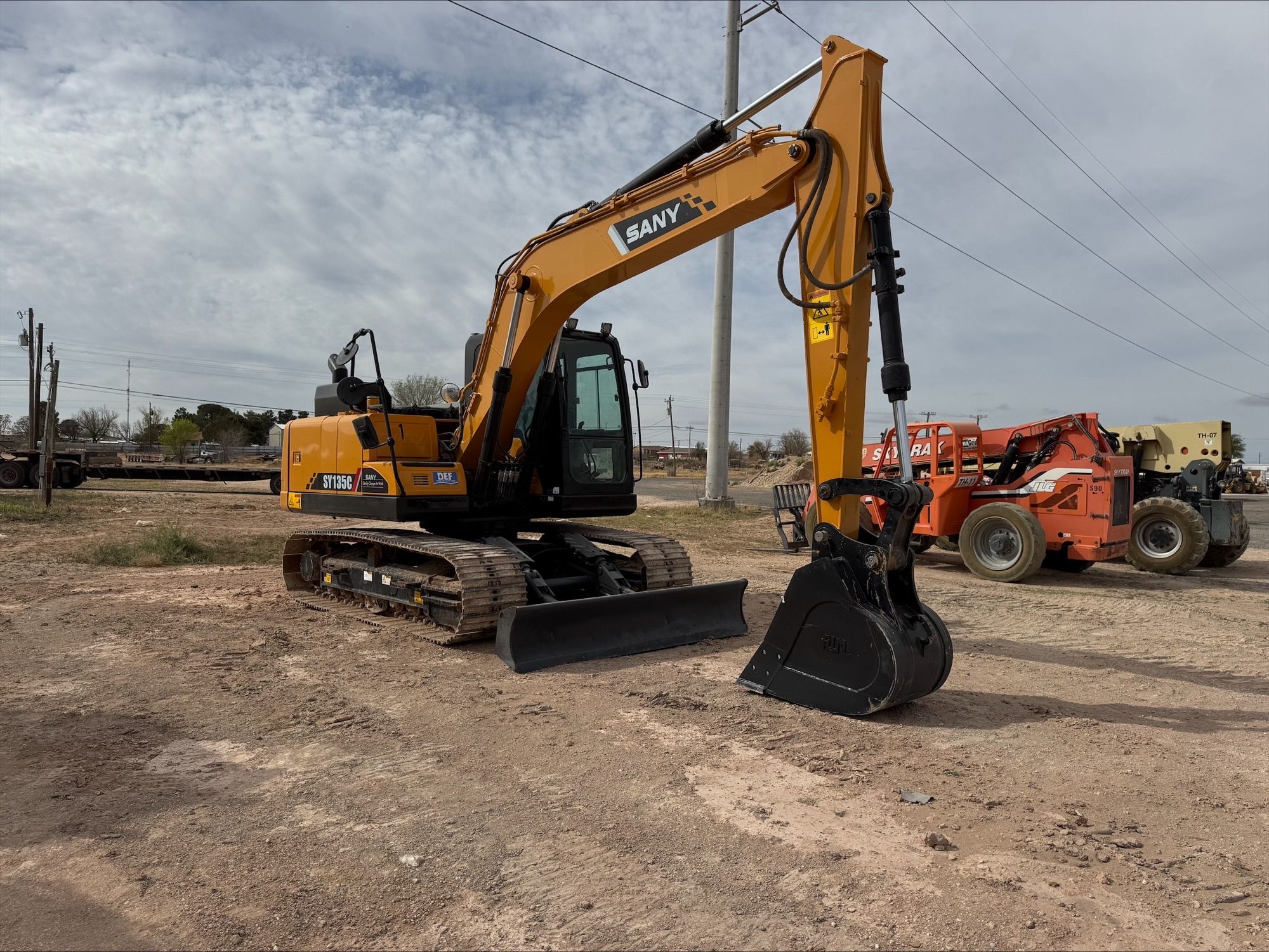
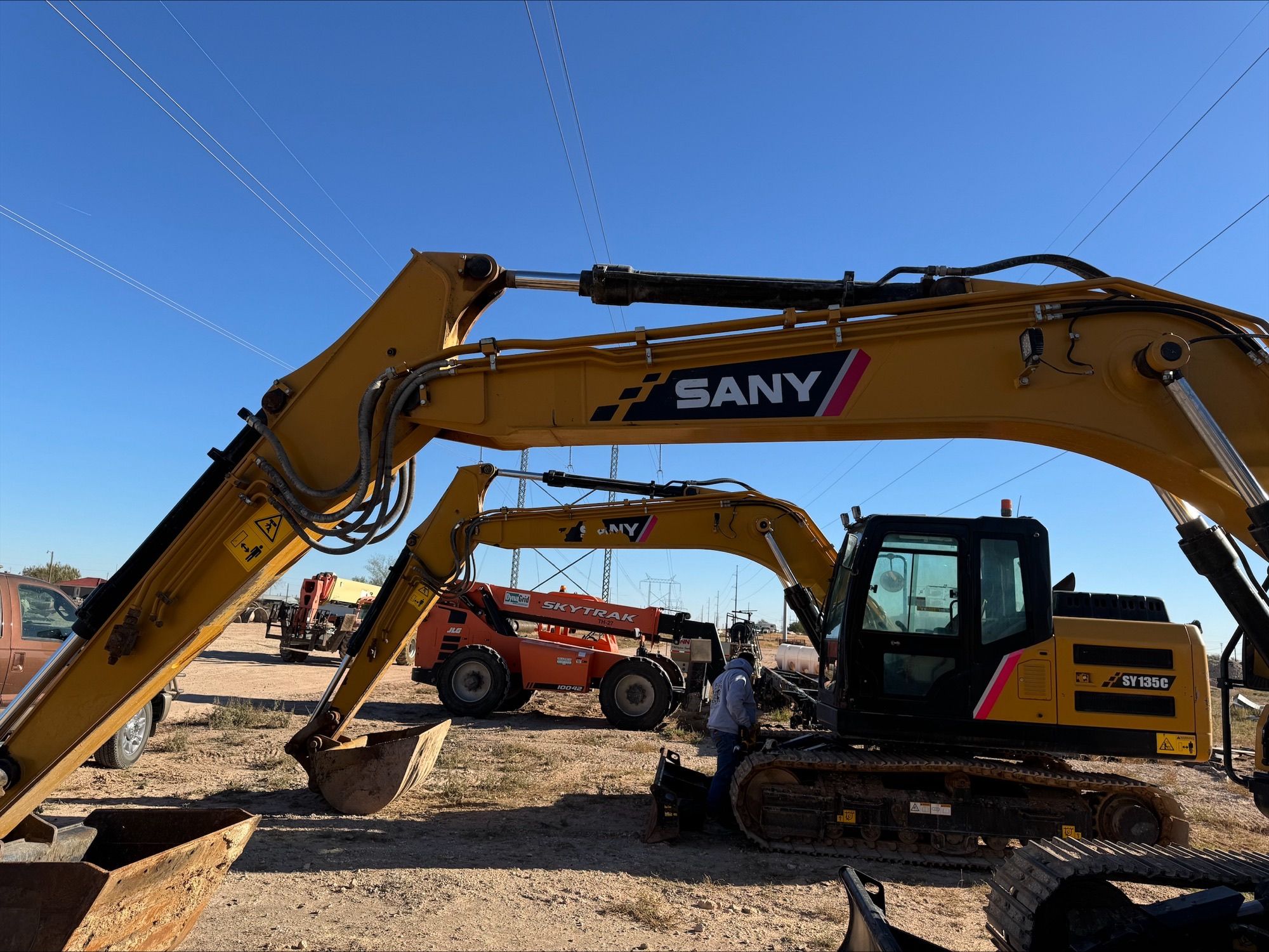
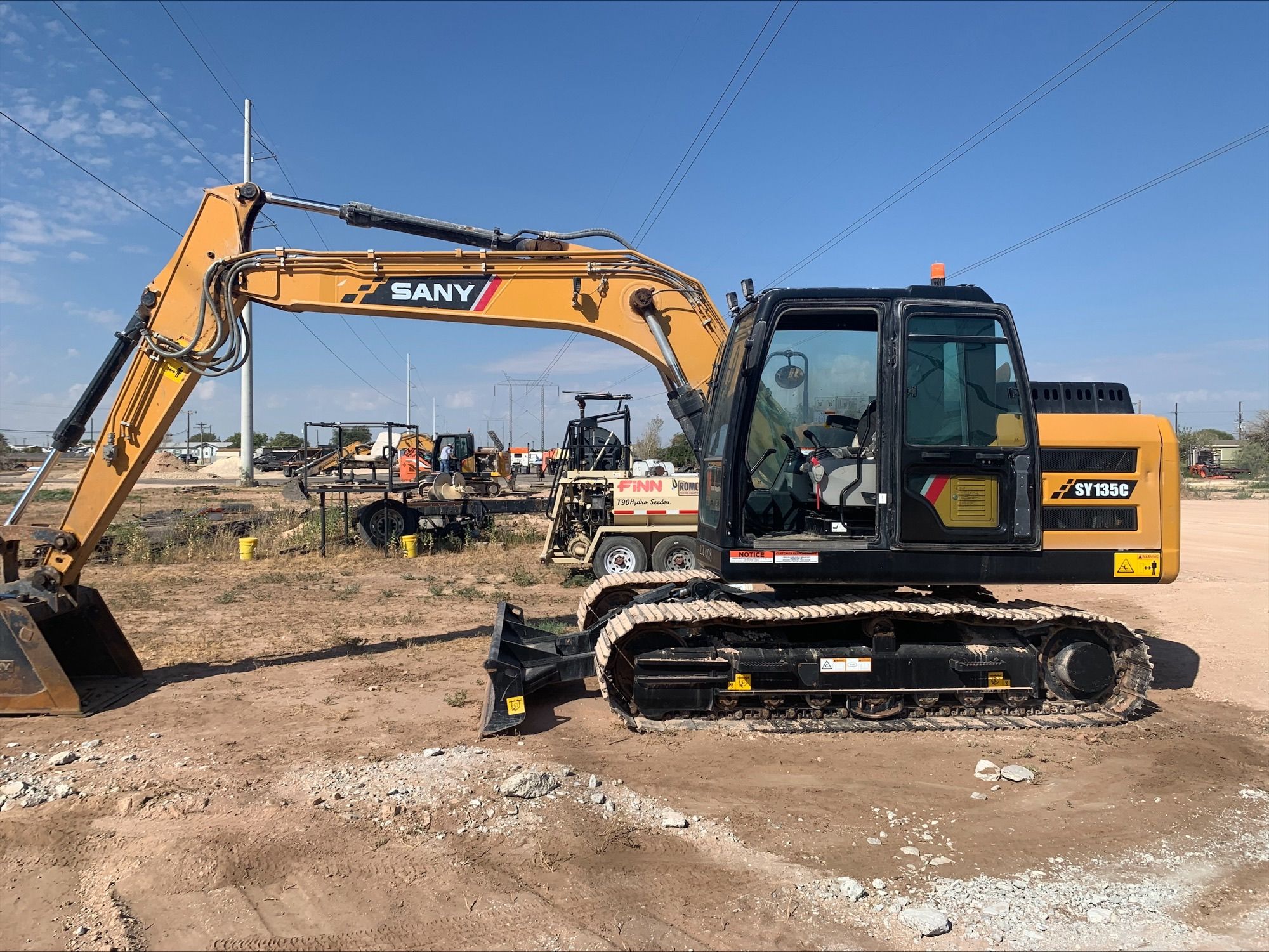
In construction, oilfield work, and large-scale infrastructure projects, productivity depends on more than just having a strong excavator. The real difference comes from using the correct attachment for the job. At Midland Excavators, contractors across Midland, Odessa, Andrews, and West Texas rely on our SANY excavators and wide range of attachments to match their toughest workloads. Choosing the right excavator attachment is not a small detail—it directly impacts digging accuracy, lifting control, material handling efficiency, and overall project speed. When the wrong attachment is used, projects slow down, fuel consumption spikes, and wear-and-tear increases. But the right tool transforms an excavator from a single-purpose machine into a multi-role workhorse that can dig, grab, lift, demolish, cut, sort, and drill with precision. To help contractors make smarter choices, here is a clear breakdown of how excavator attachments evolved, what each type is best for, and how proper selection reduces downtime on busy jobsites throughout Midland and beyond.
Understanding Excavator Attachment Selection
Attachment selection has always been part of excavation work, but it became far more important as jobsites got more complex. Early excavators relied mainly on basic digging buckets. As new industries grew—pipeline construction, large-scale trenching, utilities, oilfield pad sites, demolition—manufacturers started producing specialized attachments to improve control and reduce labor. Today, modern construction demands compatibility, versatility, and speed. Hydraulic systems are more advanced, excavators are stronger, and quick-couplers allow operators to switch tools rapidly without leaving the cab. Rental fleets like Midland Excavators now offer multiple attachments per machine so crews can match the excavator perfectly to each task. The better the match, the faster the job gets done. Choosing an attachment is no longer guesswork. It has become a key planning step for any contractor who wants predictable performance and efficient fuel use.
Matching Attachments to Real Jobsite Needs
Buckets remain the most commonly used attachment, but even buckets come in many variations. A standard digging bucket is ideal for general excavation and trenching. A heavy-duty bucket handles rocky conditions. A grading bucket is wide and smooth for clean finishing and backfilling. Without the right bucket, operators struggle—either the bucket is too small, too heavy, or not suited to the soil type. Thumb attachments come next. A hydraulic thumb gives the operator gripping power, making it perfect for picking up debris, rocks, logs, scrap material, or anything irregular in shape. With a thumb, handling loose or uneven materials becomes controlled and safe. Grapples provide even more strength and flexibility. Contractors in demolition and forestry rely heavily on grapples for tearing down structures, sorting debris, moving brush, or lifting oversized pieces. They work where buckets or thumbs don’t offer enough control or holding power. Specialty attachments also play a major role. A rock saw cuts clean lines through hard surfaces, an auger makes quick work of drilling holes for fencing or foundations, and a hydraulic breaker makes demolition fast and precise. Midland Excavators stocks the right options for construction, oilfield maintenance, and utility work across West Texas. Another major innovation is quick-change or quick-coupler systems. With these, operators can swap between buckets, thumbs, grapples, and specialty tools in minutes, reducing downtime and increasing efficiency. On a jobsite where every hour counts, quick-change attachments help crews move from trenching to lifting to demolition without delay.
Maintenance Tips That Keep Attachments Working Longer
Even the best excavator attachments won’t perform well without proper maintenance. Regular inspections catch early signs of wear—loose bolts, worn cutting edges, cracked welds, or leaking hydraulic connections. Lubricating pins and bushings prevents friction and keeps movement smooth. Hydraulic attachments such as thumbs, breakers, and augers require clean oil, tight fittings, and proper line pressure to avoid overheating or damage. Contractors who rent equipment in Midland, TX, also benefit from using attachments that have been inspected and serviced between each rental. Well-maintained attachments not only last longer but also protect the excavator from unnecessary stress.
Reducing Downtime Through Smart Attachment Selection
Using the correct attachment directly reduces downtime. A bucket that’s too small extends digging time. A grapple used for a task better suited to a bucket causes inefficiency. A breaker that’s not sized correctly for the excavator can overheat or fail. The right match keeps hydraulic flow balanced, reduces strain, and ensures the excavator works at peak performance. Midland Excavators supports contractors by pairing SANY excavators with attachments perfectly matched to each job’s requirements. This helps crews work faster, burn less fuel, and avoid avoidable breakdowns. When productivity rises, the entire project timeline benefits.
The Final Takeaway
A well-chosen excavator attachment does more than complete the task—it controls project speed, improves safety, and ensures accurate work across construction, oilfield, utility, and demolition sites. At Midland Excavators, our rental fleet is fully equipped with buckets, thumbs, grapples, and specialty attachments ready for the toughest Texas conditions. With the right attachment strategy, your excavator becomes more versatile, your operator becomes more efficient, and your jobsite becomes more productive from start to finish.