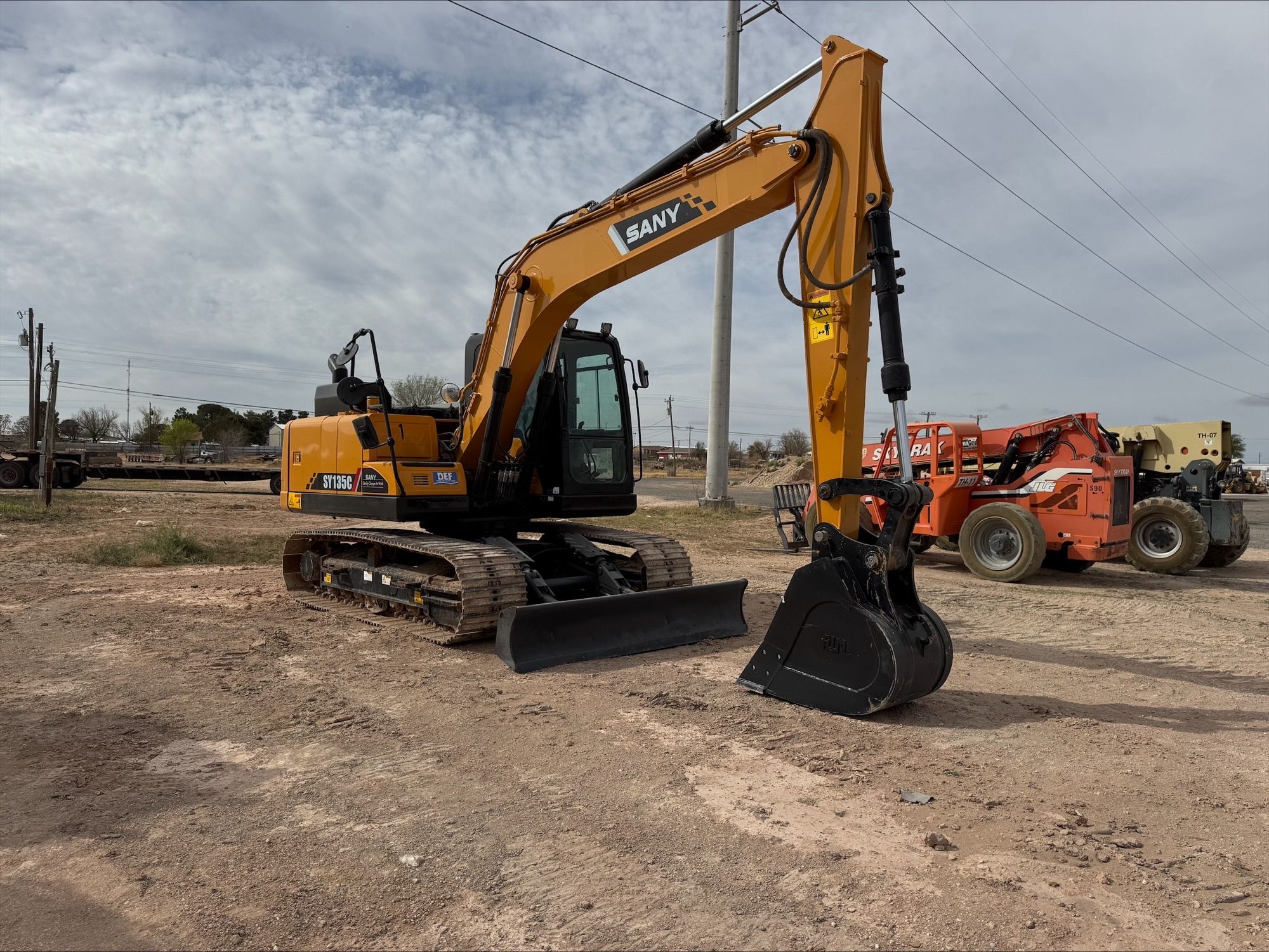
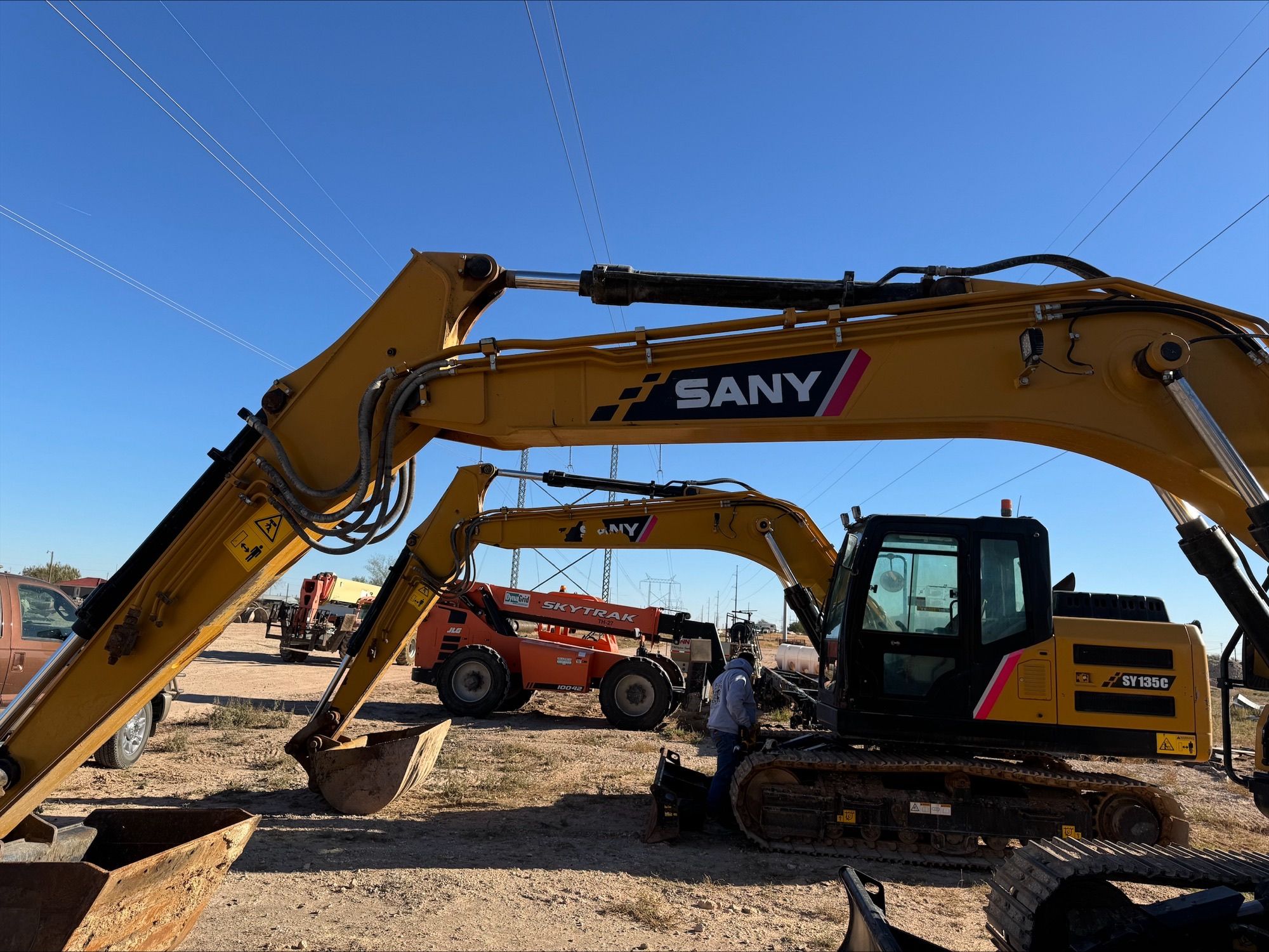
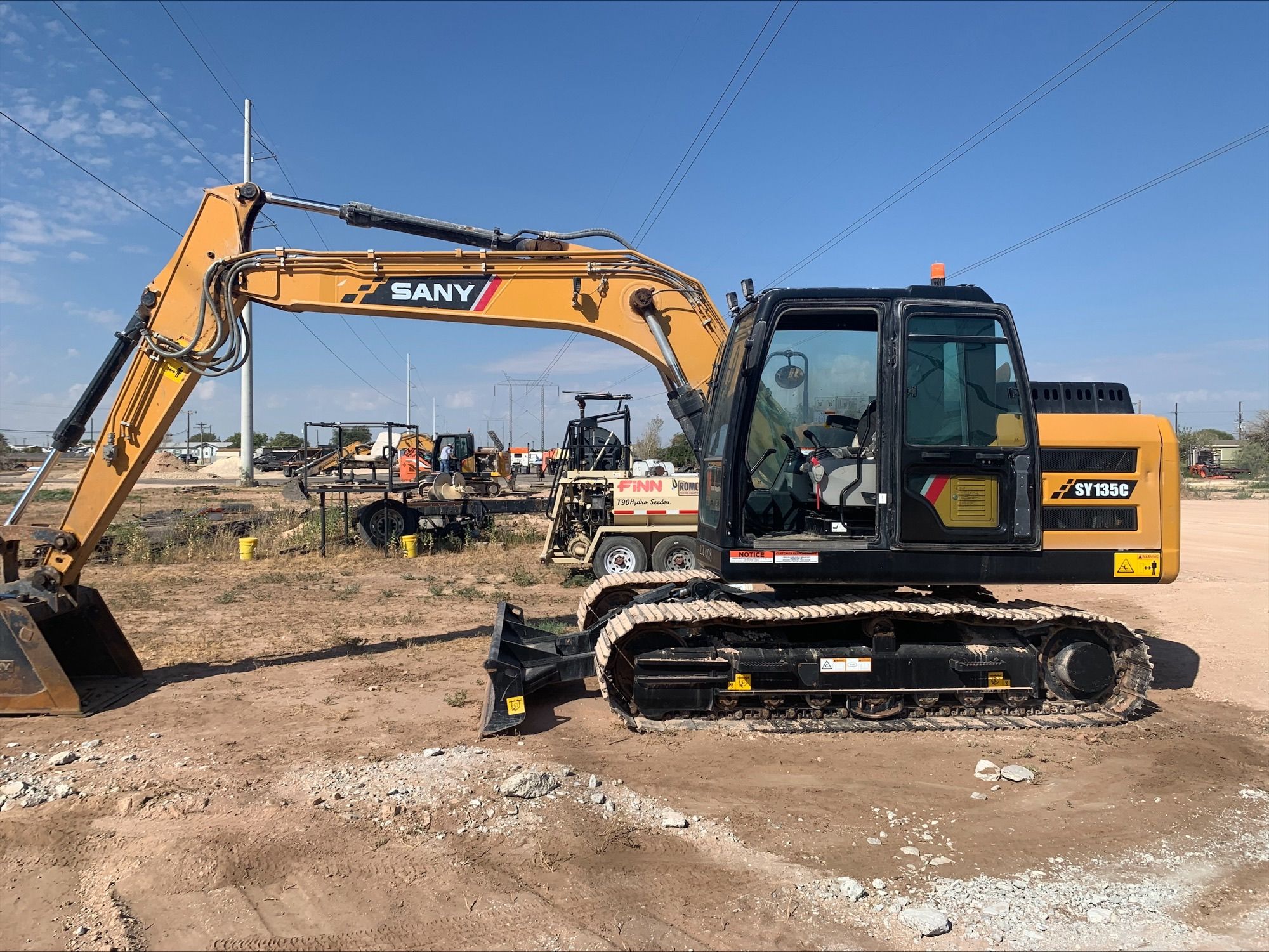
When it comes to large-scale construction projects in the remote areas of West Texas, particularly in the oilfields and energy sectors, reliable heavy equipment is a must. Excavators are essential for various tasks like digging, trenching, and site preparation. However, renting excavators for these projects presents unique challenges and considerations. Here are key points to keep in mind when renting excavators for remote construction projects in West Texas.
1. Understanding Your Project’s Specific Needs
Before renting an excavator, the first step is to understand the specific needs of your construction project. West Texas construction projects often involve working in remote, rugged environments, where the conditions can be challenging. Whether it's an oilfield development, energy infrastructure project, or general construction, your requirements will dictate the type and size of excavator needed.
- Type of Excavation: Are you doing trenching, digging for utilities, or handling demolition? These tasks require different attachments and machine specifications.
- Terrain Considerations: West Texas landscapes can vary from rocky surfaces to soft sand. It’s crucial to assess the terrain and ensure the equipment is suited for it. For more on renting excavators suited for various terrains, check out our article on excavator rental in Midland TX.
- Load Capacity: Excavators have different load capacities. Ensure you rent one that can handle the size and weight of the materials you need to move.
2. Choosing the Right Excavator for the Job
The type of excavator you rent plays a pivotal role in the success of your project. Excavators come in several sizes and configurations, from mini excavators to large hydraulic excavators, each suited to different tasks.
- Mini Excavators: Best for small-scale, tight-access projects where mobility is a key factor. Mini excavators are ideal for light-duty excavation in confined spaces.
- Standard Excavators: Perfect for general-purpose tasks like trenching and digging foundations. They are more versatile and have the power needed for larger jobs.
- Heavy-duty Excavators: For large-scale projects such as mining, demolition, and oilfield construction. These excavators are built to handle tough tasks in extreme environments.
If you need more guidance on choosing the right machine, refer to our post on how to choose the right excavator.
3. Assessing the Equipment Condition
When renting excavators, ensure that the equipment is in top condition. Working in remote areas like West Texas can take a toll on machinery, and breakdowns can be costly and time-consuming.
- Pre-Rental Inspections: Always perform a thorough inspection of the equipment before signing the rental agreement. Check for any visible wear and tear, such as cracked hoses, worn-out tracks, or oil leaks.
- Maintenance History: Ask the rental company for the maintenance and service history of the excavator to ensure it has been well-maintained and is fit for use in remote conditions.
- Testing the Equipment: If possible, test the equipment in a nearby location before sending it to the job site. This helps identify any mechanical issues early on. Our article on reliable equipment support in West Texas provides further tips on ensuring your equipment is in top condition.
4. Logistics and Delivery to Remote Locations
Delivering and operating heavy machinery in remote areas of West Texas can present several logistical challenges. Construction sites in the Permian Basin or other oilfields may be far from the nearest town, making transportation a crucial consideration.
- Delivery Schedule: Coordinate with the rental company to ensure the excavator arrives on time. Delays in delivery can lead to project hold-ups, especially when working in remote locations.
- Transportation Costs: Consider the costs of transporting heavy equipment to the job site. If your construction project is located far from the equipment provider, you may incur additional transportation fees.
- Site Accessibility: Ensure that the site is accessible to large trucks and equipment. If the site is not easily reachable, you may need to work with the rental company to arrange special delivery. Learn more about logistics in our post on excavator rentals in Midland.
5. Fuel and Power Requirements
Excavators, like any heavy machinery, require fuel and power to operate. In remote areas, fuel availability can be limited, and it’s important to plan for this ahead of time.
- Fuel Efficiency: Choose an excavator that offers fuel efficiency, especially for long-term projects. Fuel costs can add up quickly, particularly in remote areas.
- Fuel Delivery: In remote areas like the Permian Basin, you may need to arrange for fuel deliveries to ensure your excavator has enough power throughout the project.
- Alternative Power Sources: If your job site is in an area without easy access to fuel, you might want to explore alternatives like solar-powered excavators or machines that use natural gas. For more on managing fuel requirements, visit our article on excavator rental in Midland TX.
6. Operator Experience and Training
The effectiveness of an excavator depends not only on the machine but also on the operator's skill. In remote areas, the need for skilled operators is even more critical, as downtime due to operator error can be costly and time-consuming.
- Hiring Skilled Operators: If you don’t have an experienced operator on your team, the rental company may offer operator services or provide recommendations. It's essential to ensure that the operator understands how to use the equipment efficiently, especially in challenging conditions.
- Training: If you plan to use your team’s operators, make sure they receive adequate training on the specific model of excavator you’ve rented. The more familiar the operator is with the machine, the more productive and safe the operation will be. For additional operator insights, check our article on excavator rental considerations in Midland.
7. Rental Duration and Cost Management
Renting excavators for long-term projects in West Texas often leads to higher costs, and it’s essential to manage the rental duration efficiently. Many rental companies offer flexible terms, including daily, weekly, or monthly rentals.
- Short-Term vs Long-Term Rental: For short-term projects, a daily or weekly rental may be more cost-effective. However, for longer-term projects, a monthly rental or negotiated long-term rental agreement can be more economical.
- Additional Costs: Keep in mind that rentals might come with added costs such as delivery fees, fuel charges, and maintenance costs. Always clarify the rental terms with the provider to avoid unexpected fees. To explore rental options in greater detail, read our post on 5 Benefits of Renting Excavators vs Buying Heavy Equipment.
8. Environmental Considerations
West Texas is known for its rugged landscapes, which can include desert terrains, rocky outcrops, and oilfield operations. It's essential to consider the environmental impact of excavation work, especially when working in sensitive areas.
- Emission Regulations: Ensure that the excavator meets the required emissions standards, particularly if you're working near protected areas or urban developments.
- Fuel Spills: In remote areas, fuel spills can have a significant environmental impact. Make sure the excavator is equipped with proper spill-containment measures and that all operators are trained in handling fuel safely. For more on environmental considerations, check out our article on why SANY excavators are built for the Permian Basin.
9. Safety Measures and Compliance
Safety is always a priority, particularly when working in remote locations with heavy machinery. In addition to standard safety protocols, remote construction projects in West Texas may face additional challenges due to environmental factors and logistical issues.
- Personal Protective Equipment (PPE): Ensure that all operators and workers are wearing the appropriate PPE, including helmets, high-visibility vests, and steel-toed boots.
- Site-Specific Safety Plans: Work with the rental company to develop a site-specific safety plan that addresses potential hazards specific to the project location, such as working in extreme temperatures or handling hazardous materials.
10. Customer Support and Emergency Assistance
Lastly, when renting equipment for remote construction projects, customer support becomes even more critical. Having access to 24/7 support for emergencies or equipment failures can make a significant difference.
- Emergency Response: Ensure the rental company offers emergency assistance in case the excavator breaks down in a remote location.
- Maintenance Support: Check if the company provides on-site maintenance or has local technicians available for repairs during the rental period. For more on support services, read our article on reliable equipment support in West Texas.
Conclusion
Renting excavators for remote construction projects in West Texas requires careful planning and consideration of various factors. By understanding your project needs, selecting the right equipment, and considering logistical, environmental, and safety factors, you can ensure a smoother operation. Proper planning will help you avoid costly delays and ensure your project runs efficiently.